STEM Education and Universities
Accessible microscopy for science labs, biology, geology, and teaching research projects.
Science education is greatly enriched by direct sample observation. Smart G-Scope enables educational institutions from primary school to university, to bring microscopy to students in an affordable and simple way.
Its USB connection and compatibility with computers and tablets make it easy to project images in real time, turning each lab into a collective and interactive experience. Students can capture their own images and produce visual reports.
In teaching research, the device supports low-budget projects that require visual documentation of biological, geological, or material samples, democratizing access to tools once limited to specialized laboratories.
Key benefits
- Affordable USB microscopy for educational centers
- Real-time projection for hands-on classes
- Student image capture for lab reports
- Compatible with Windows, Android, and Chromebooks
- Encourages STEM engagement through direct observation
Image gallery
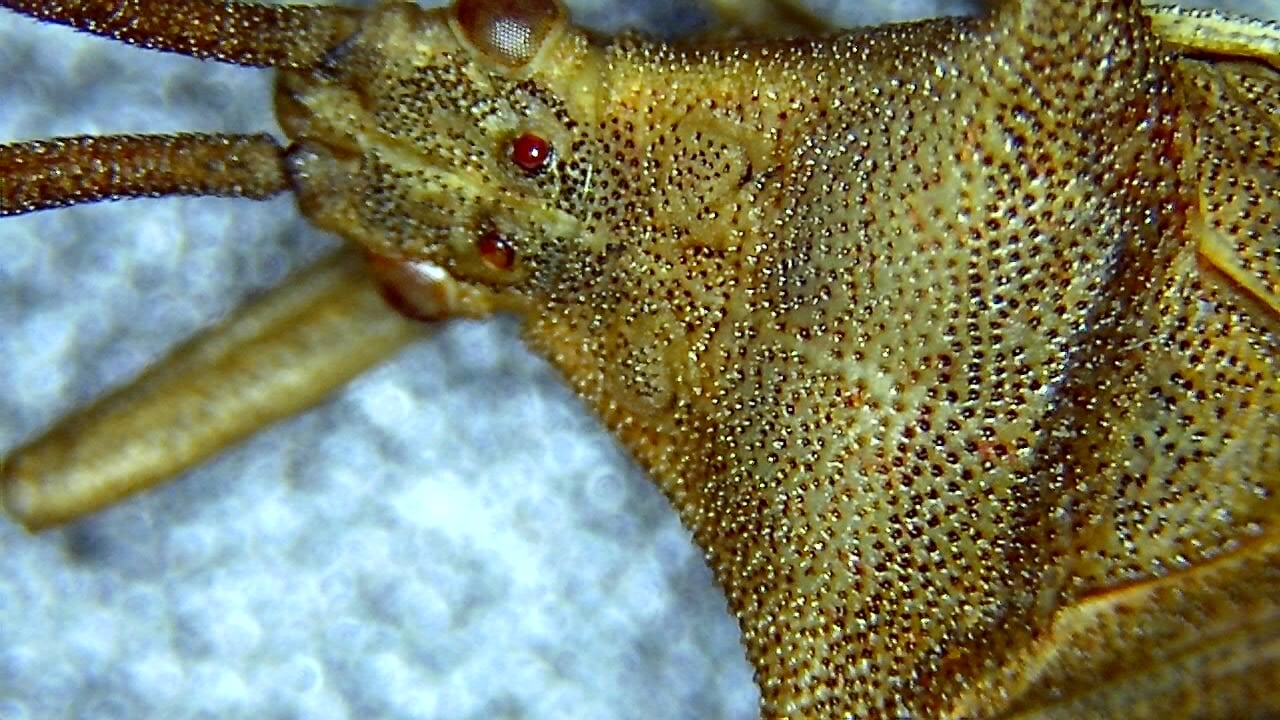
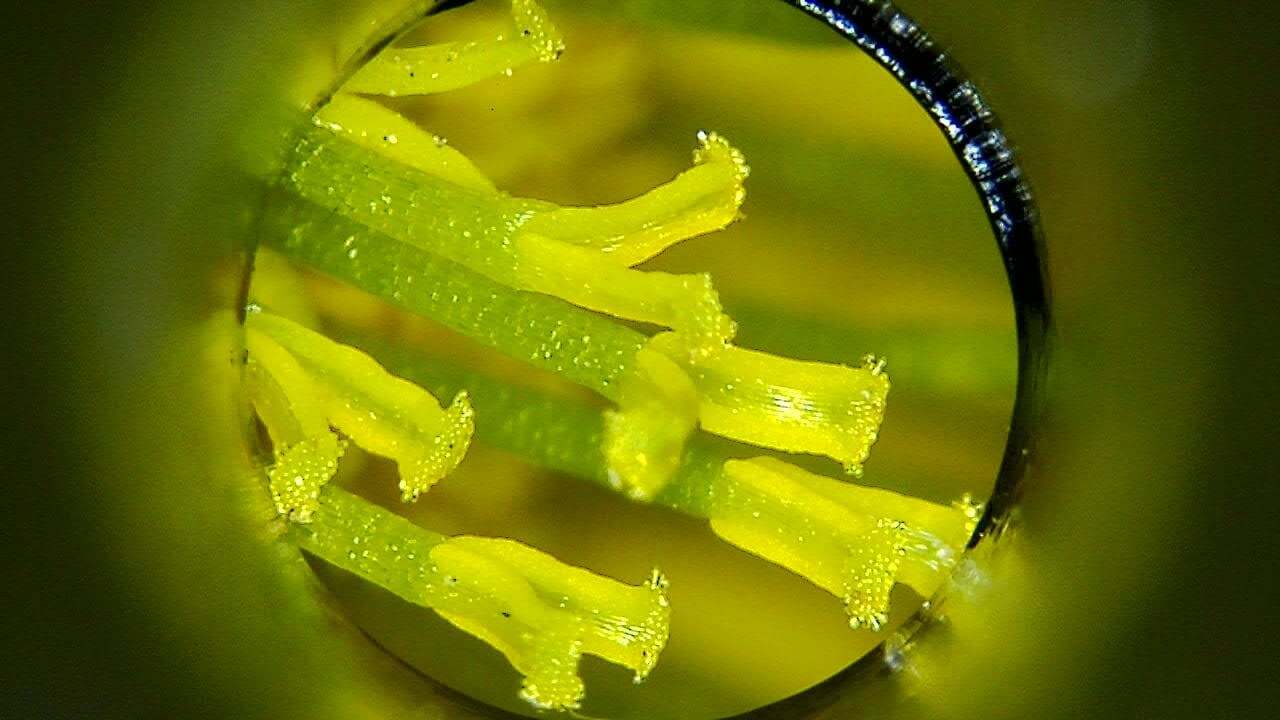
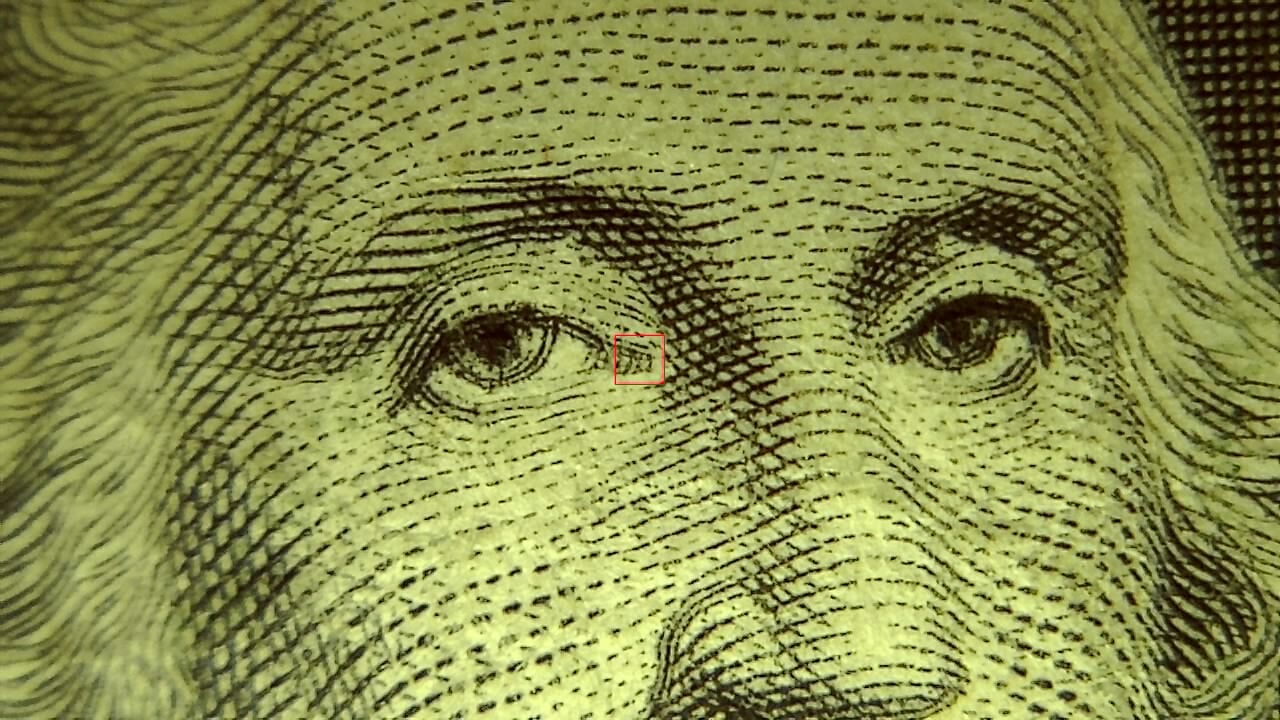
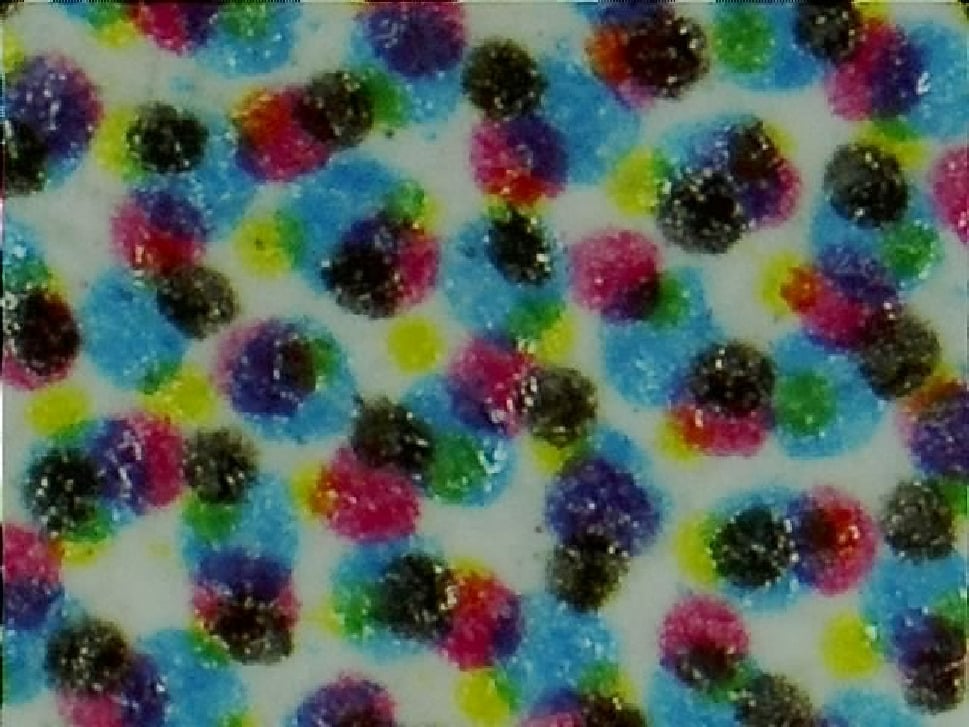
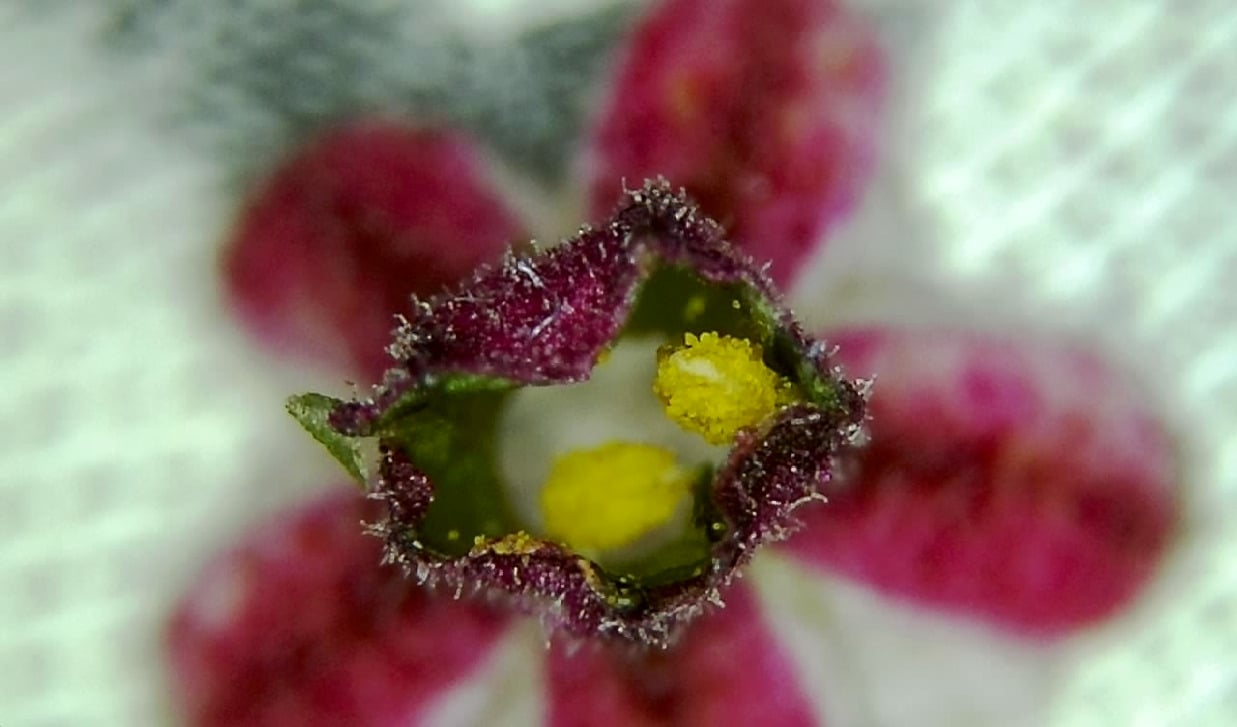


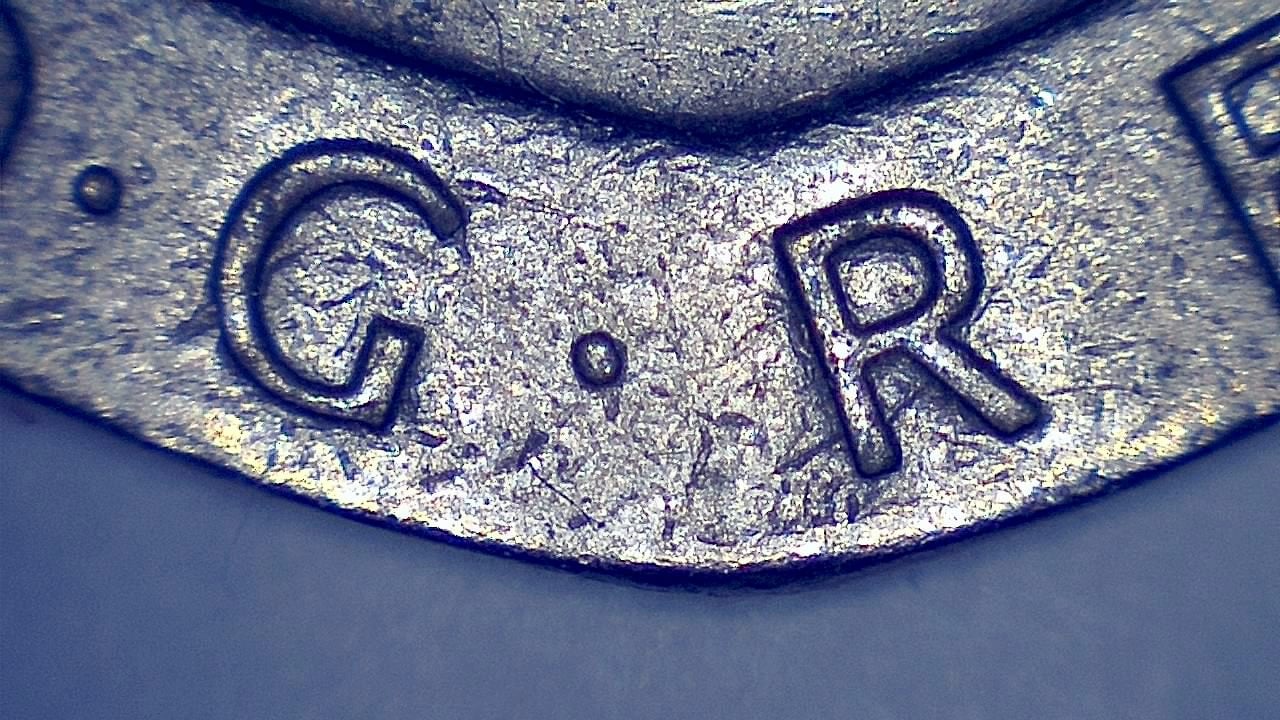
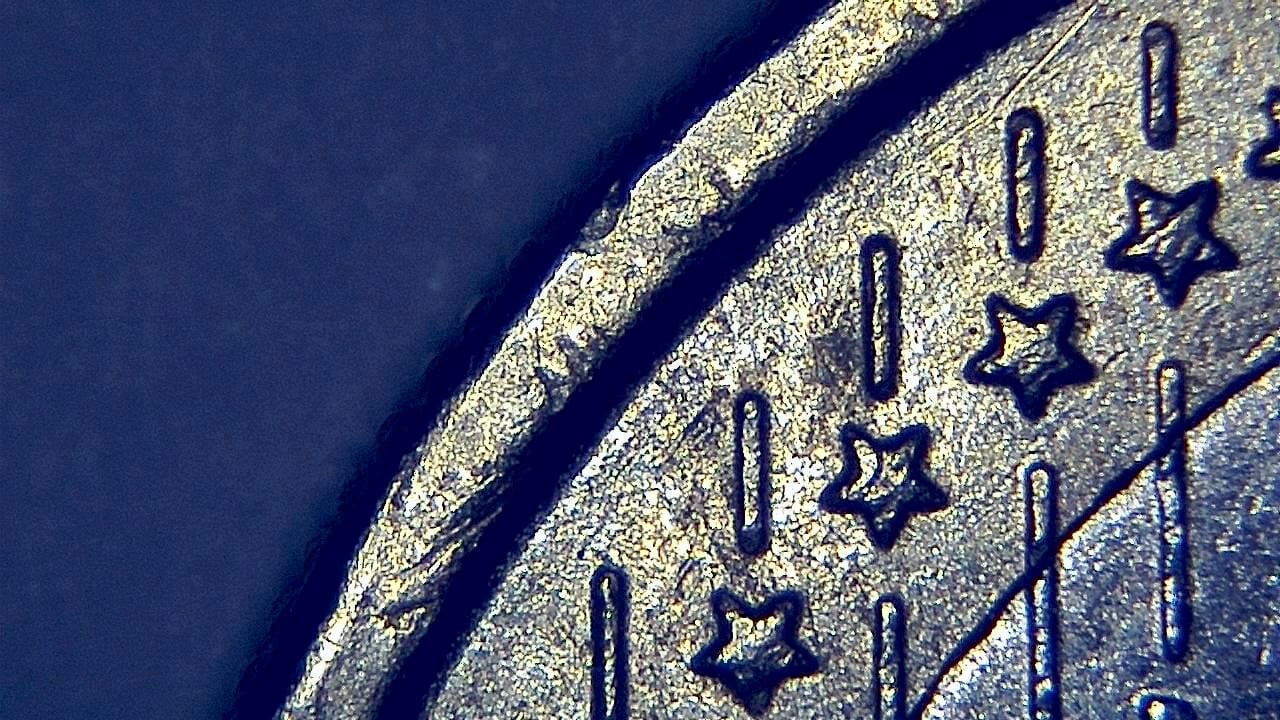
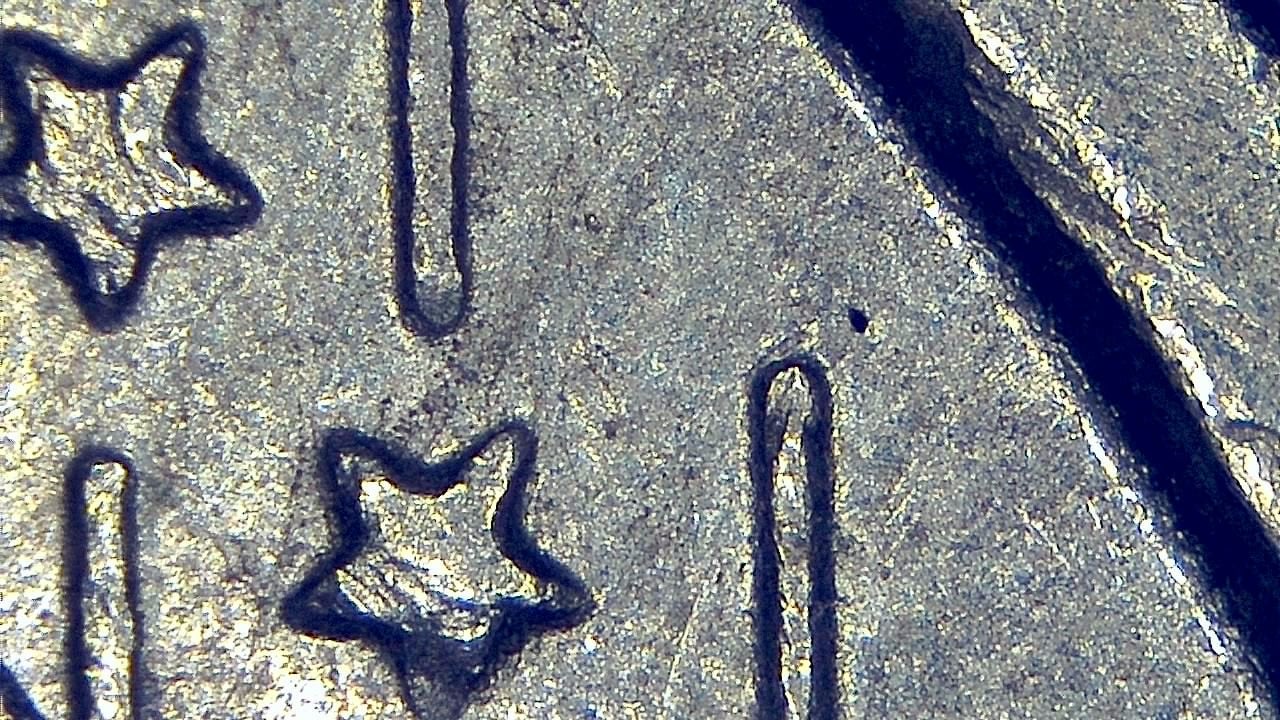
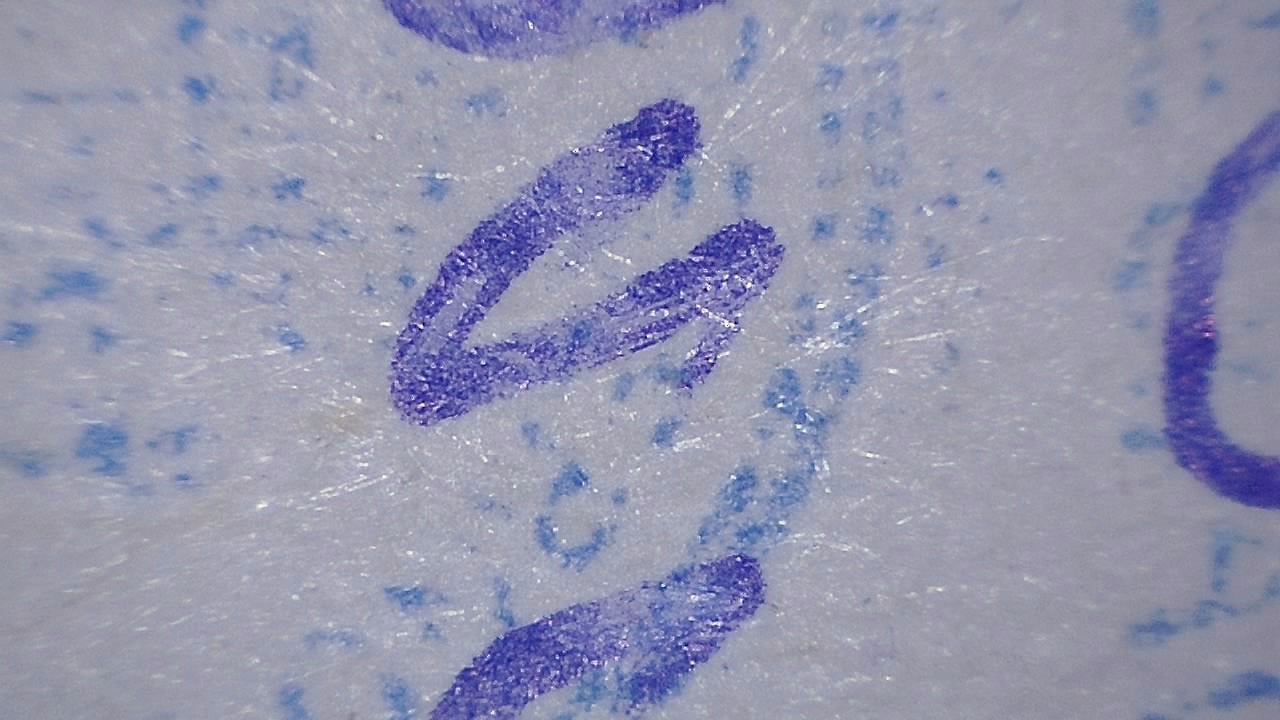
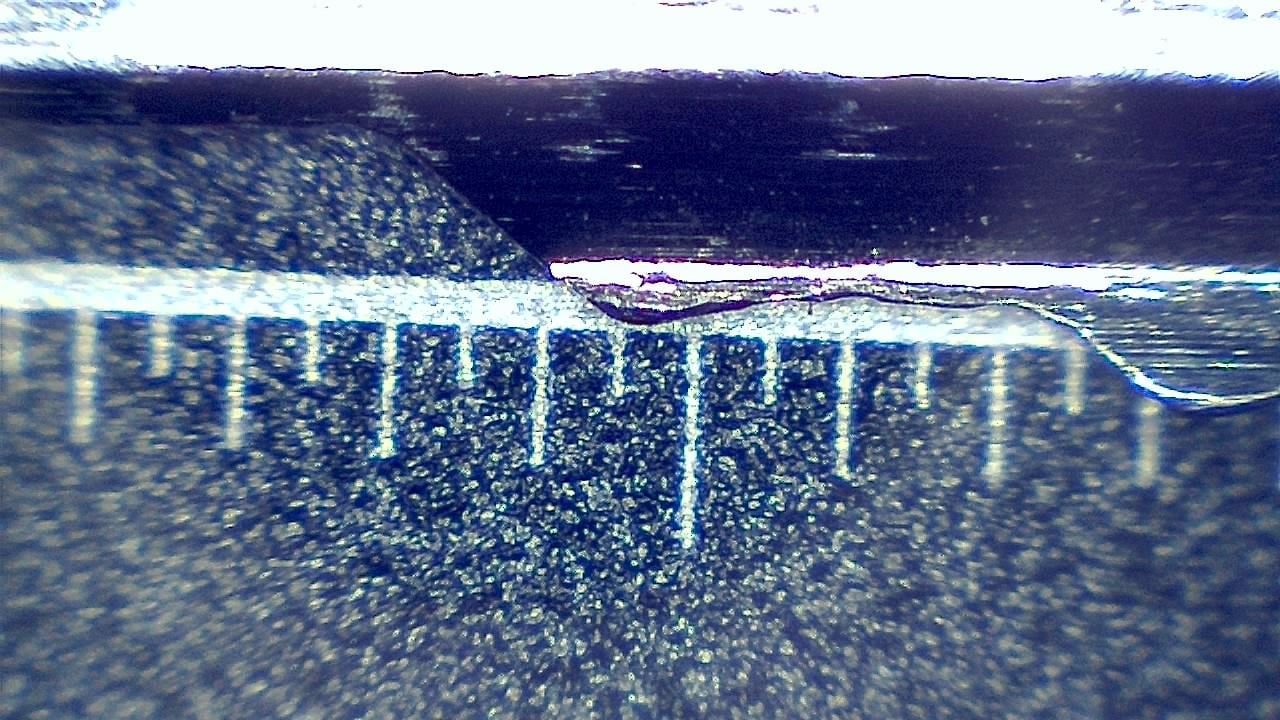
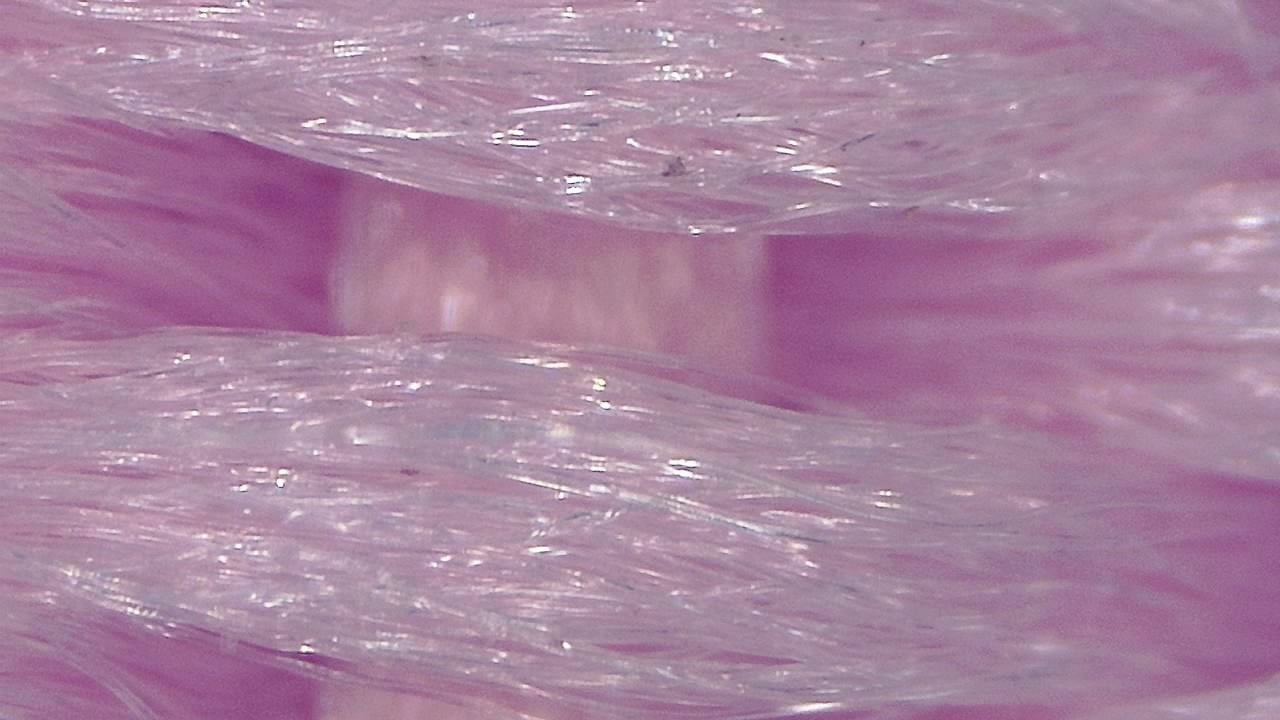
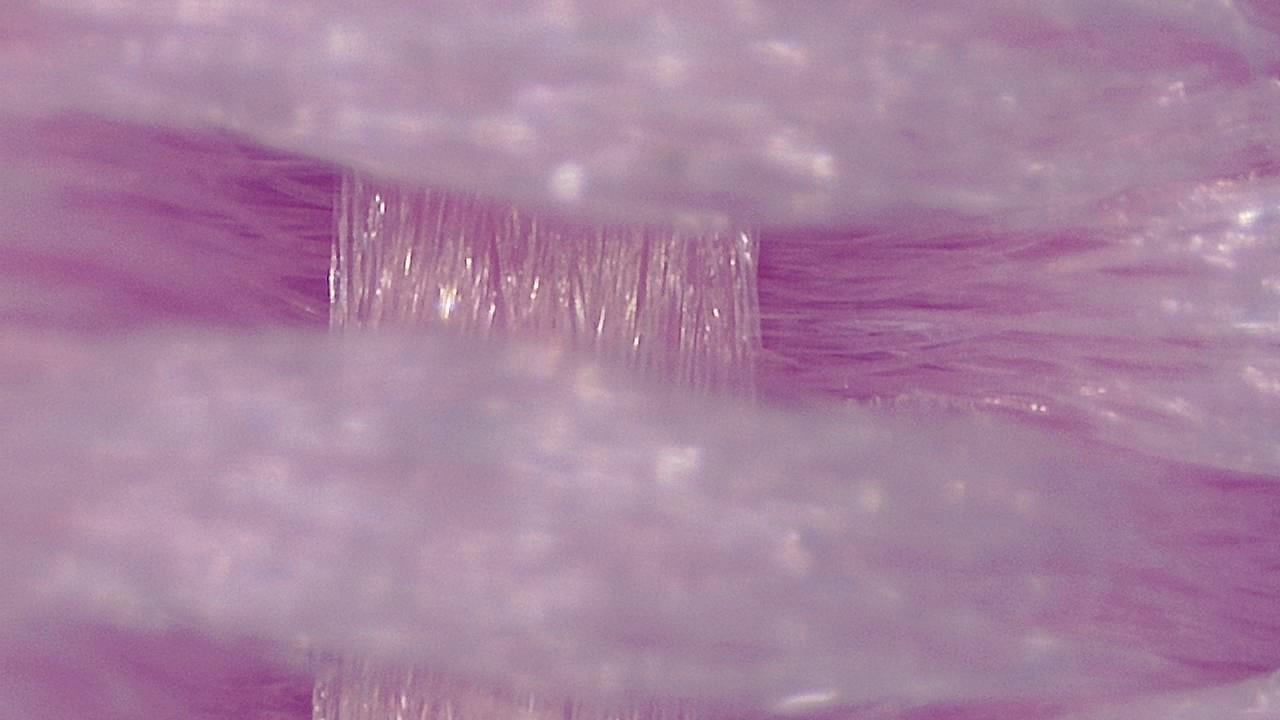
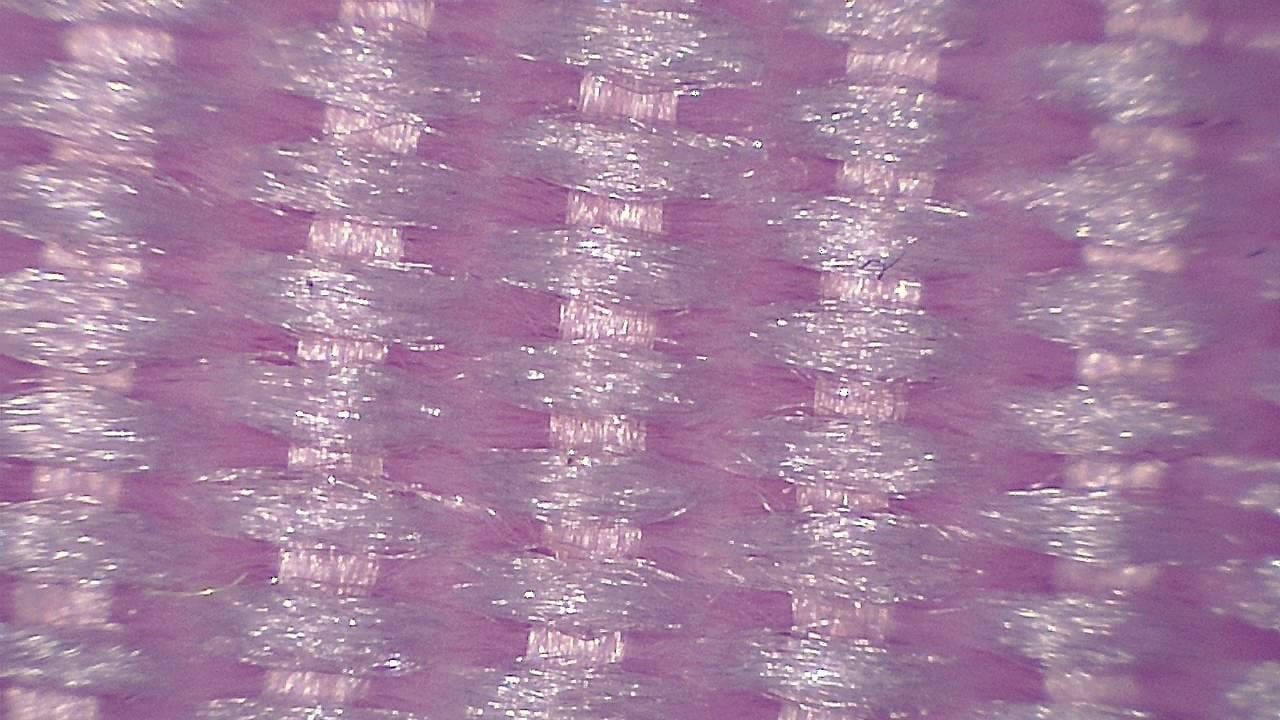


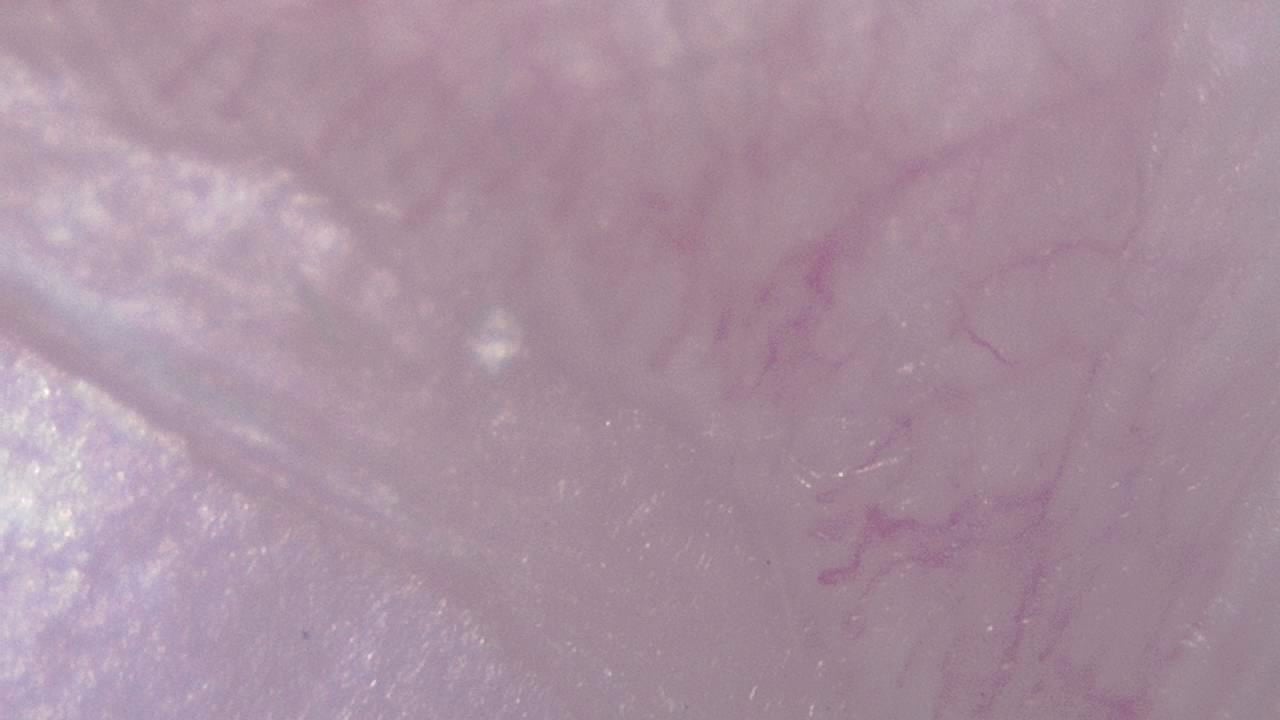


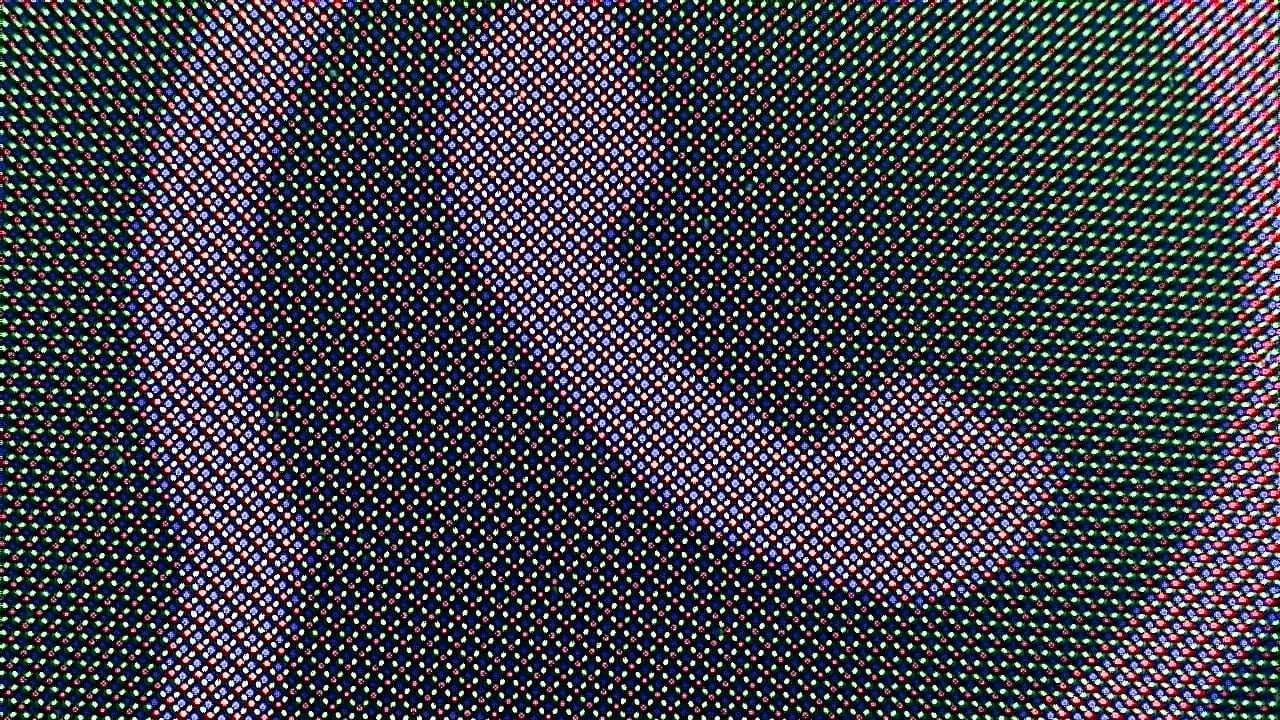
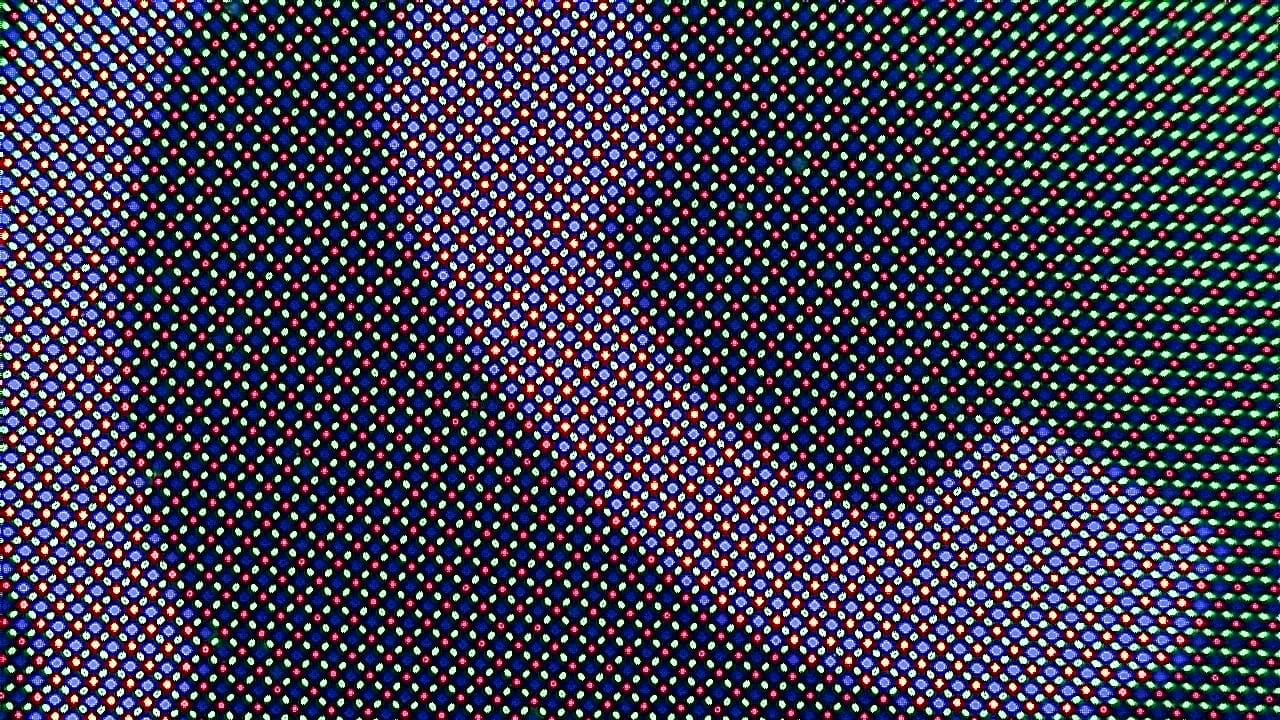
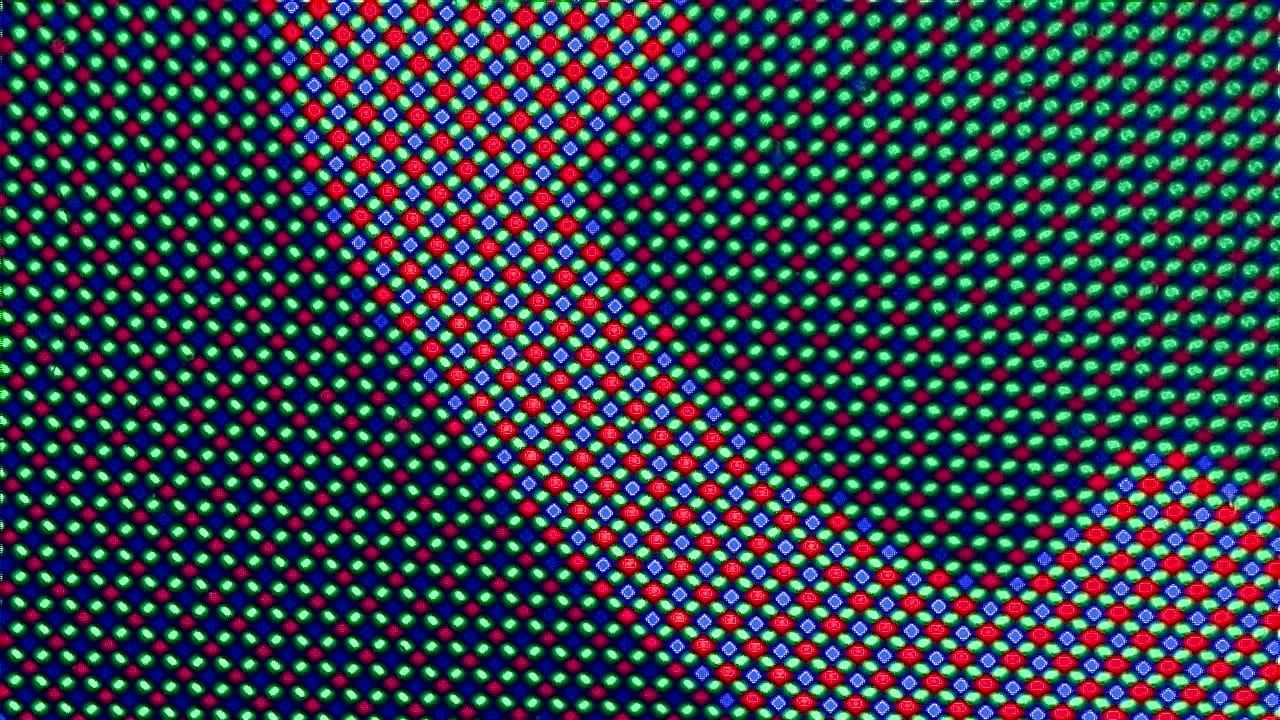
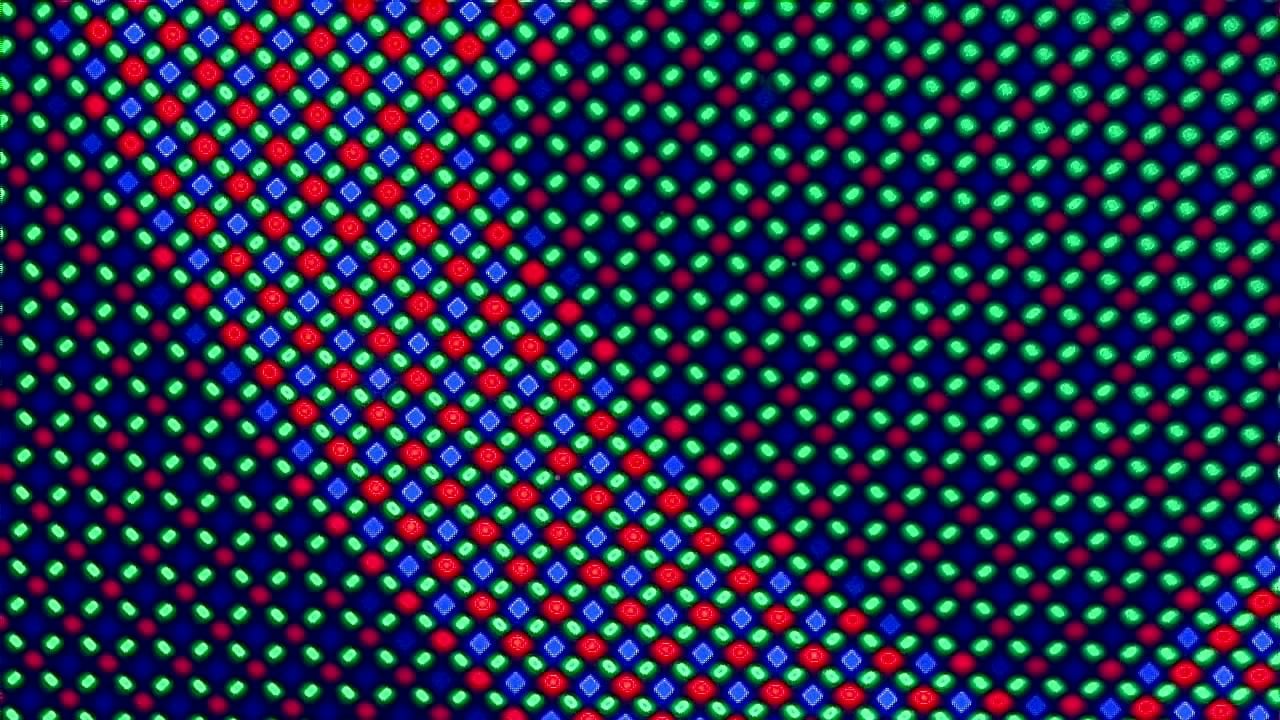
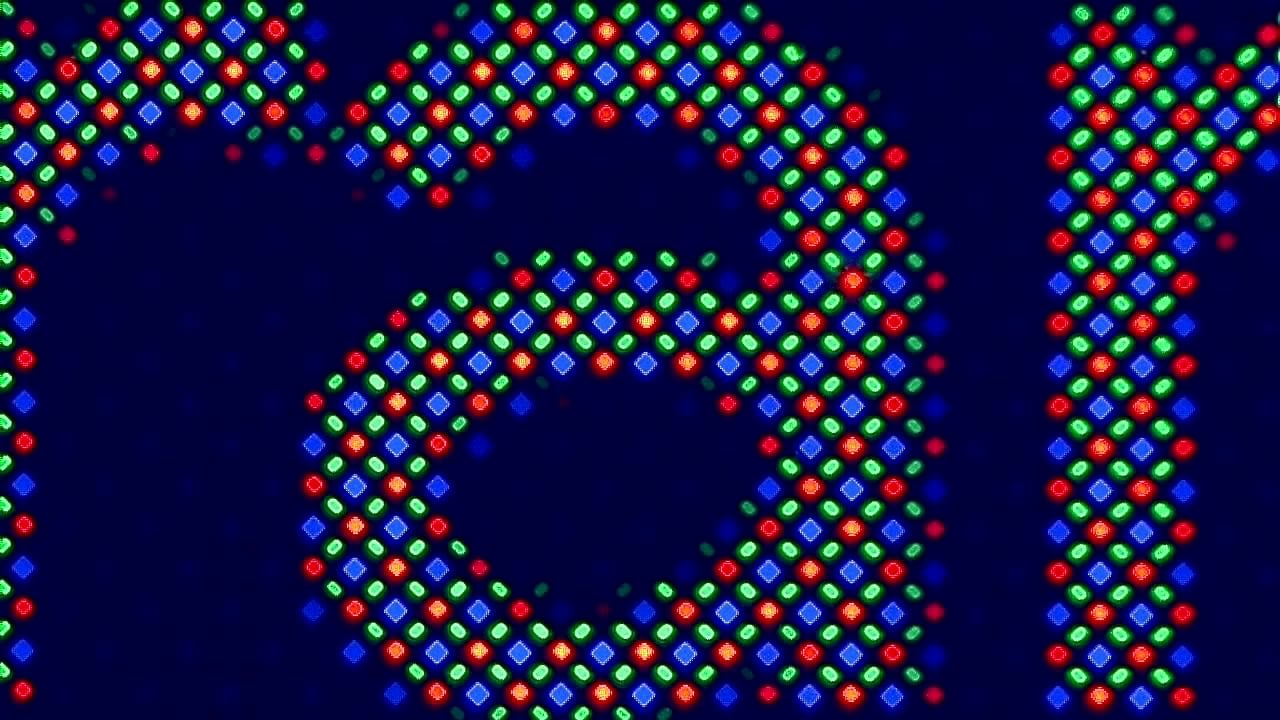

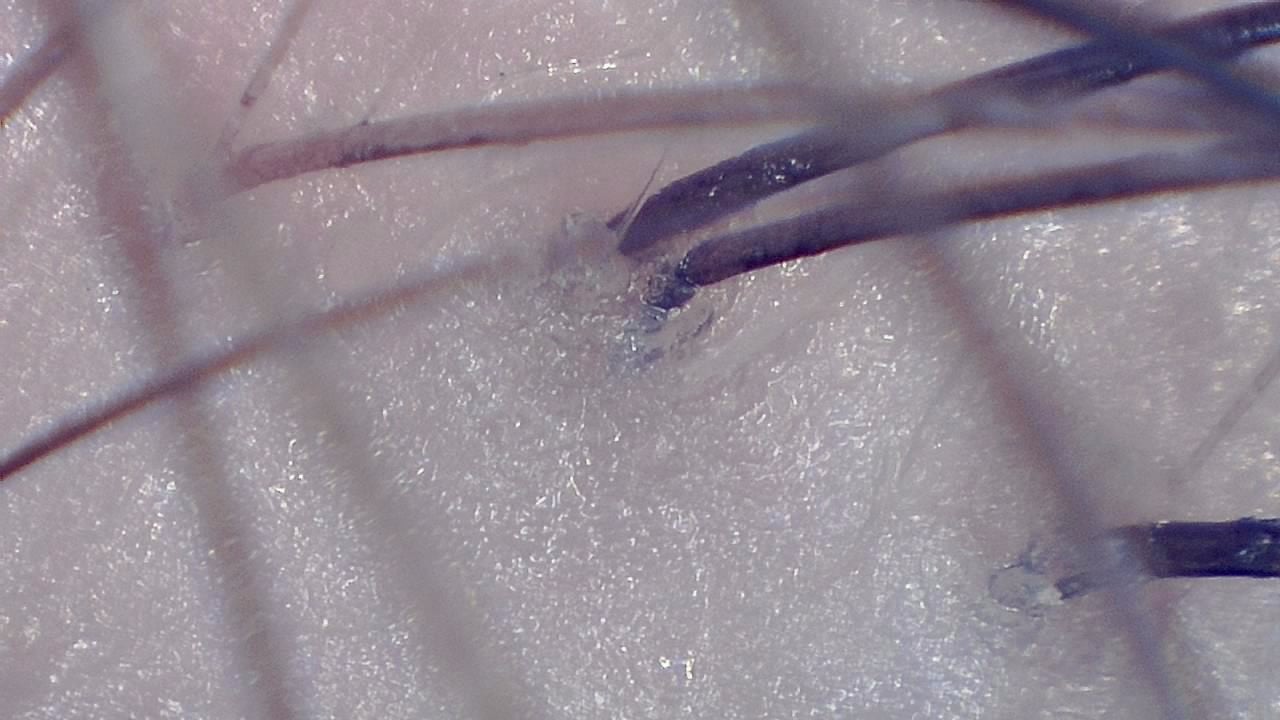
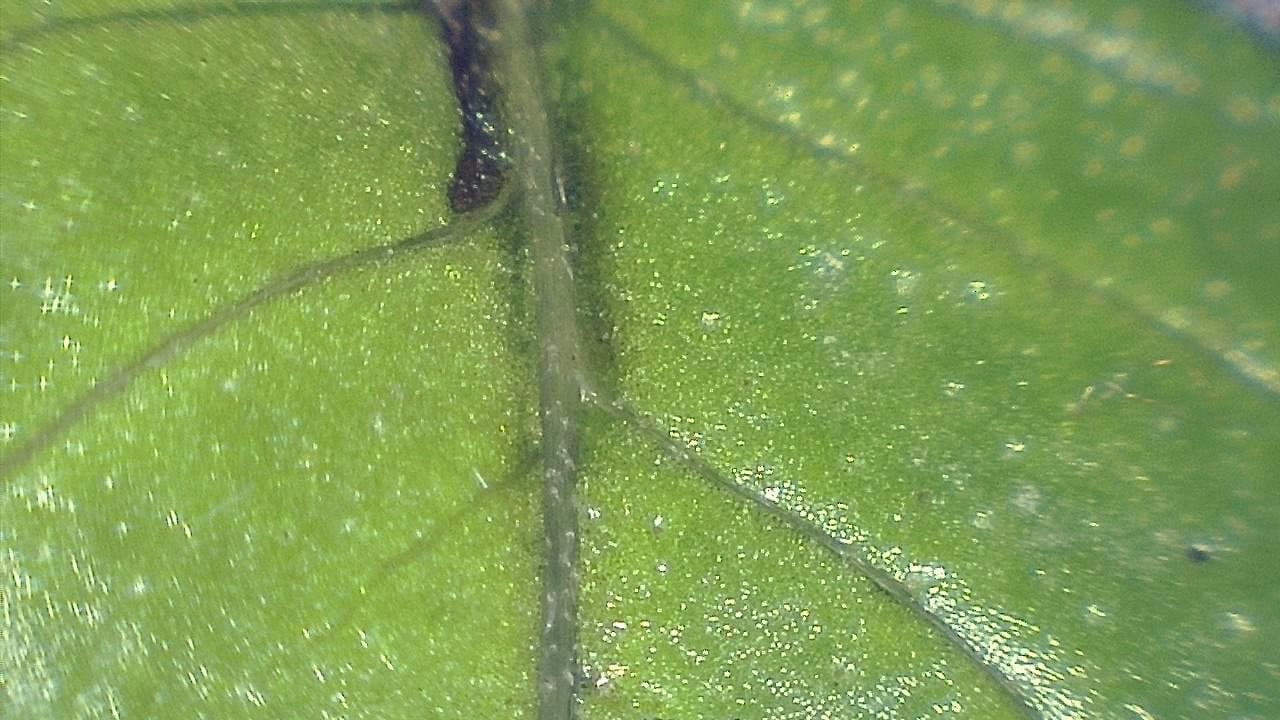
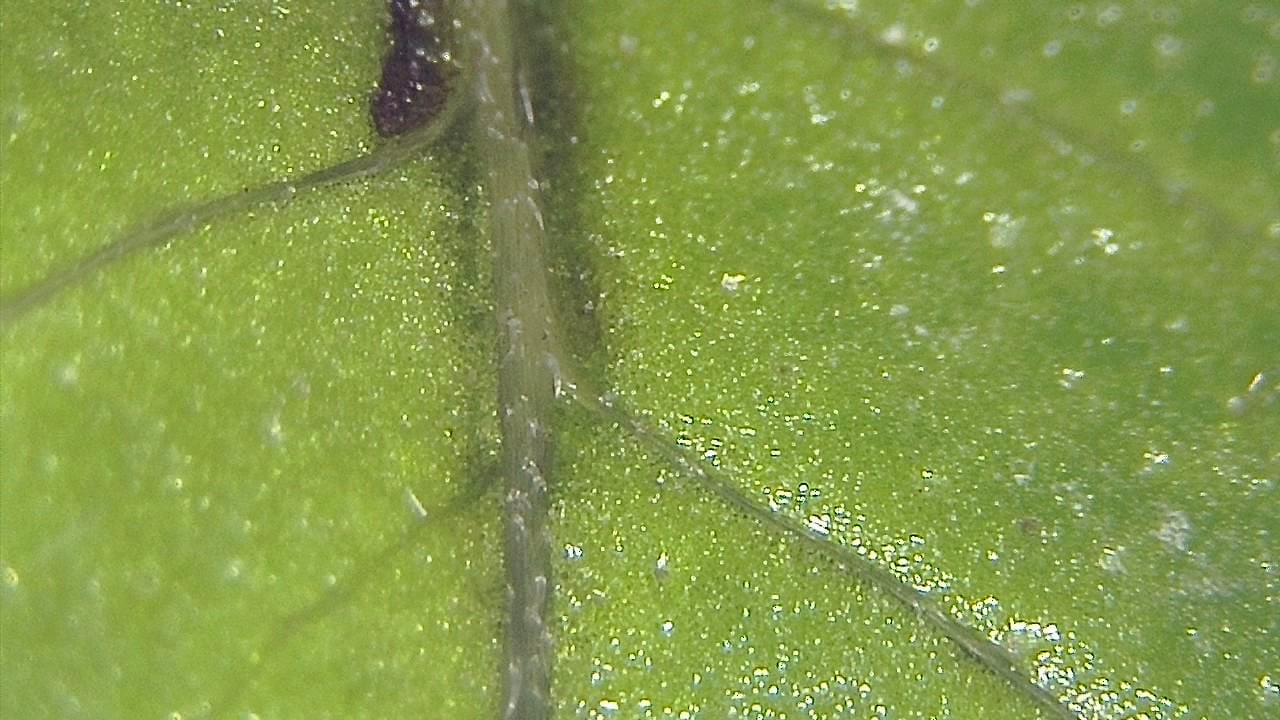
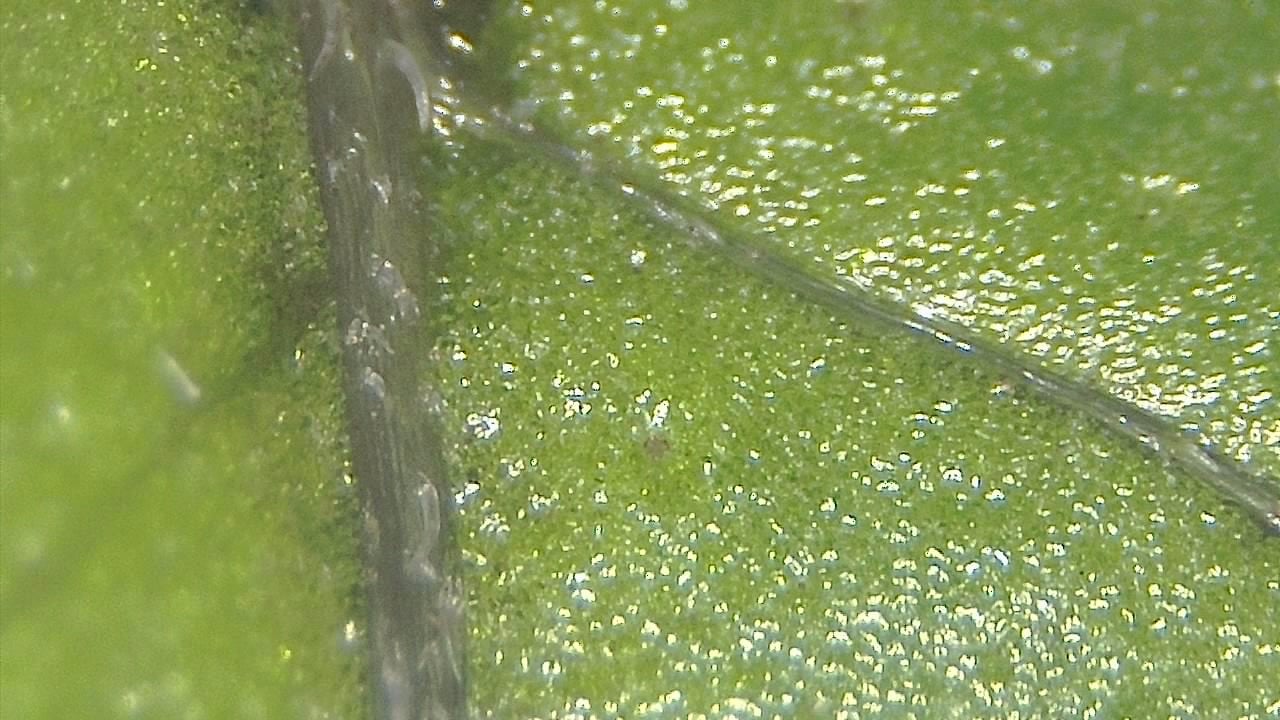

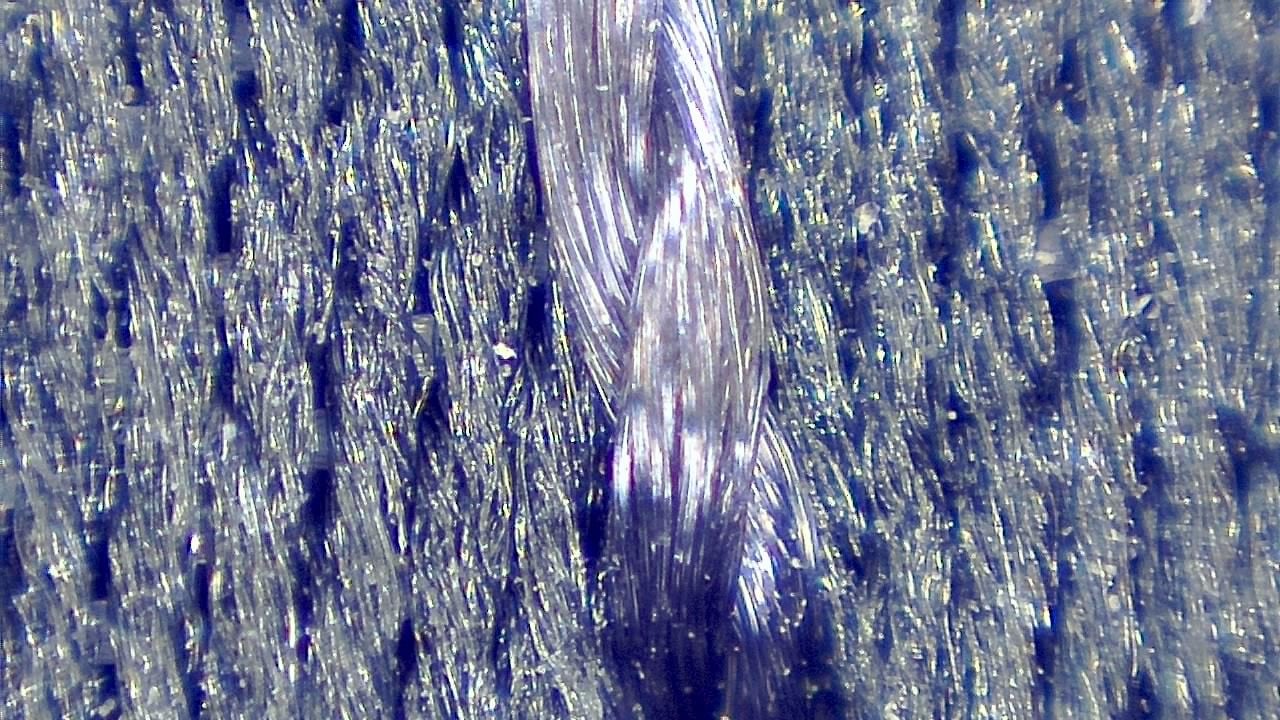
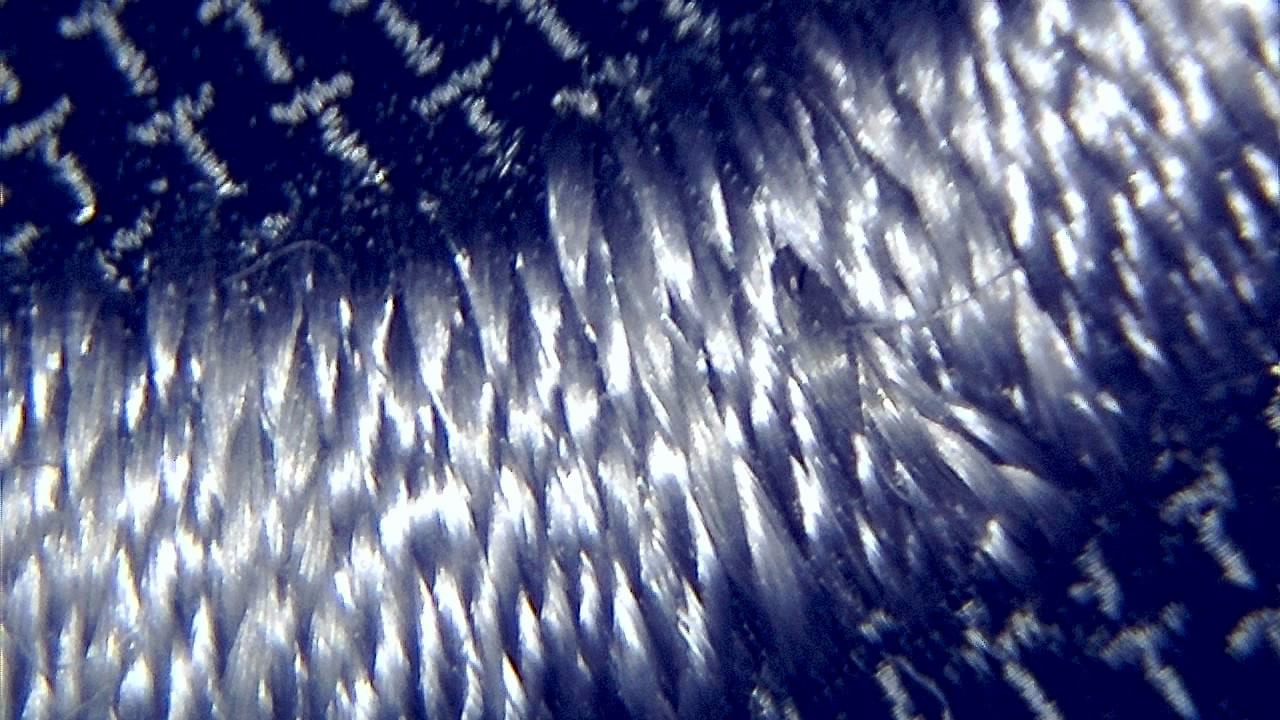
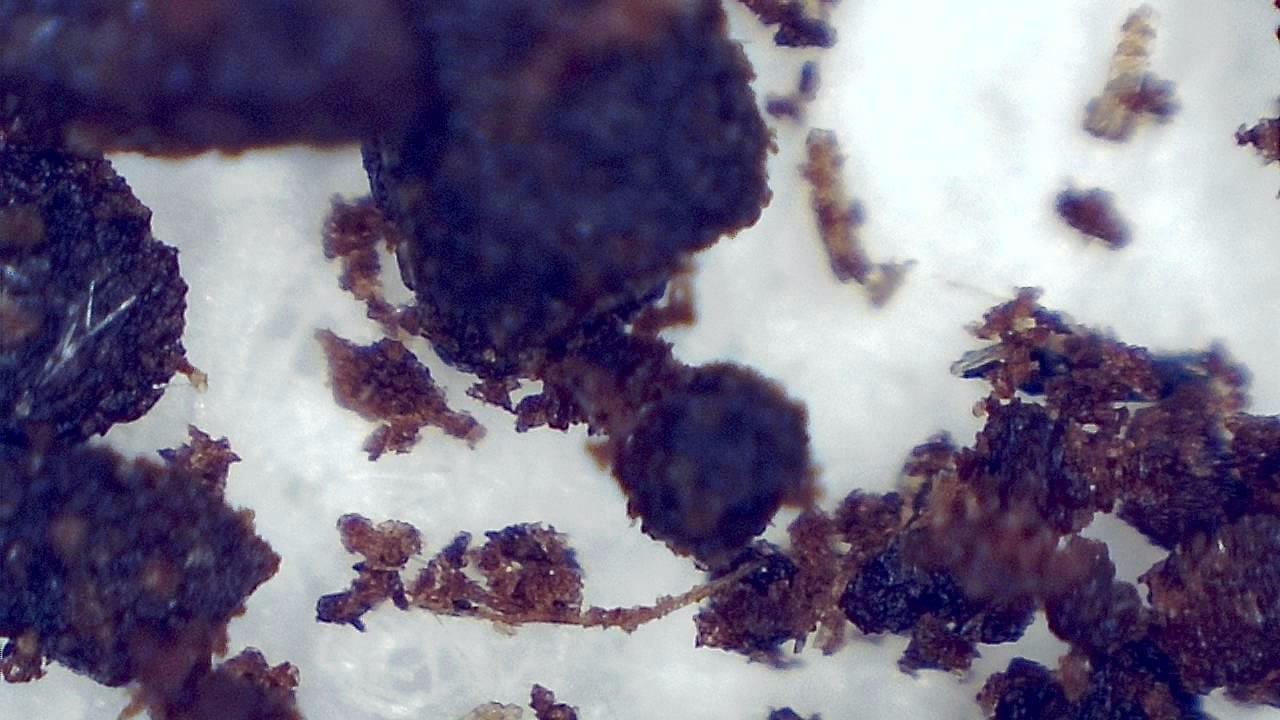
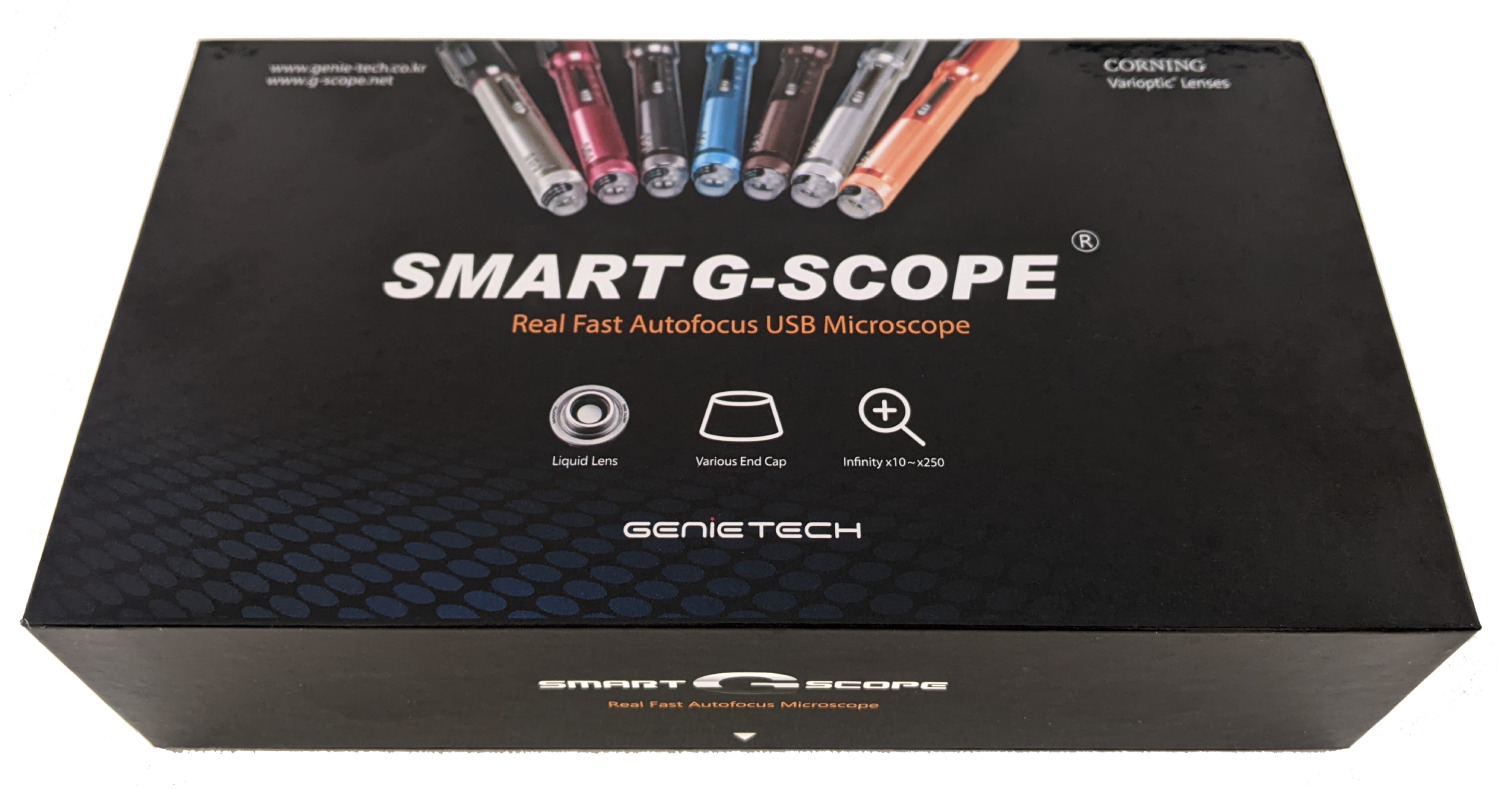
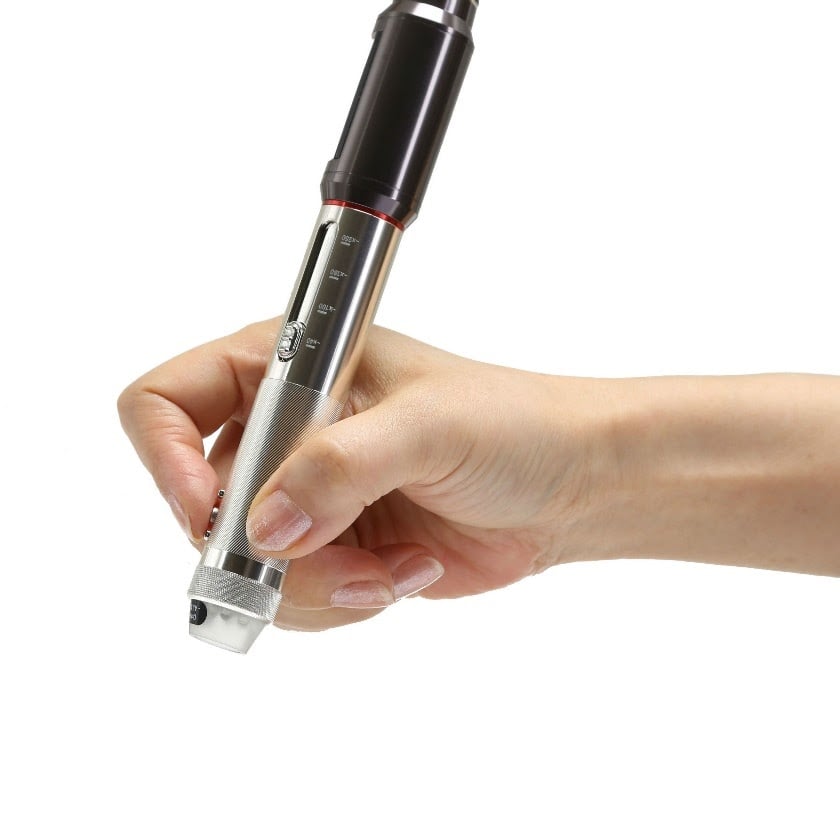
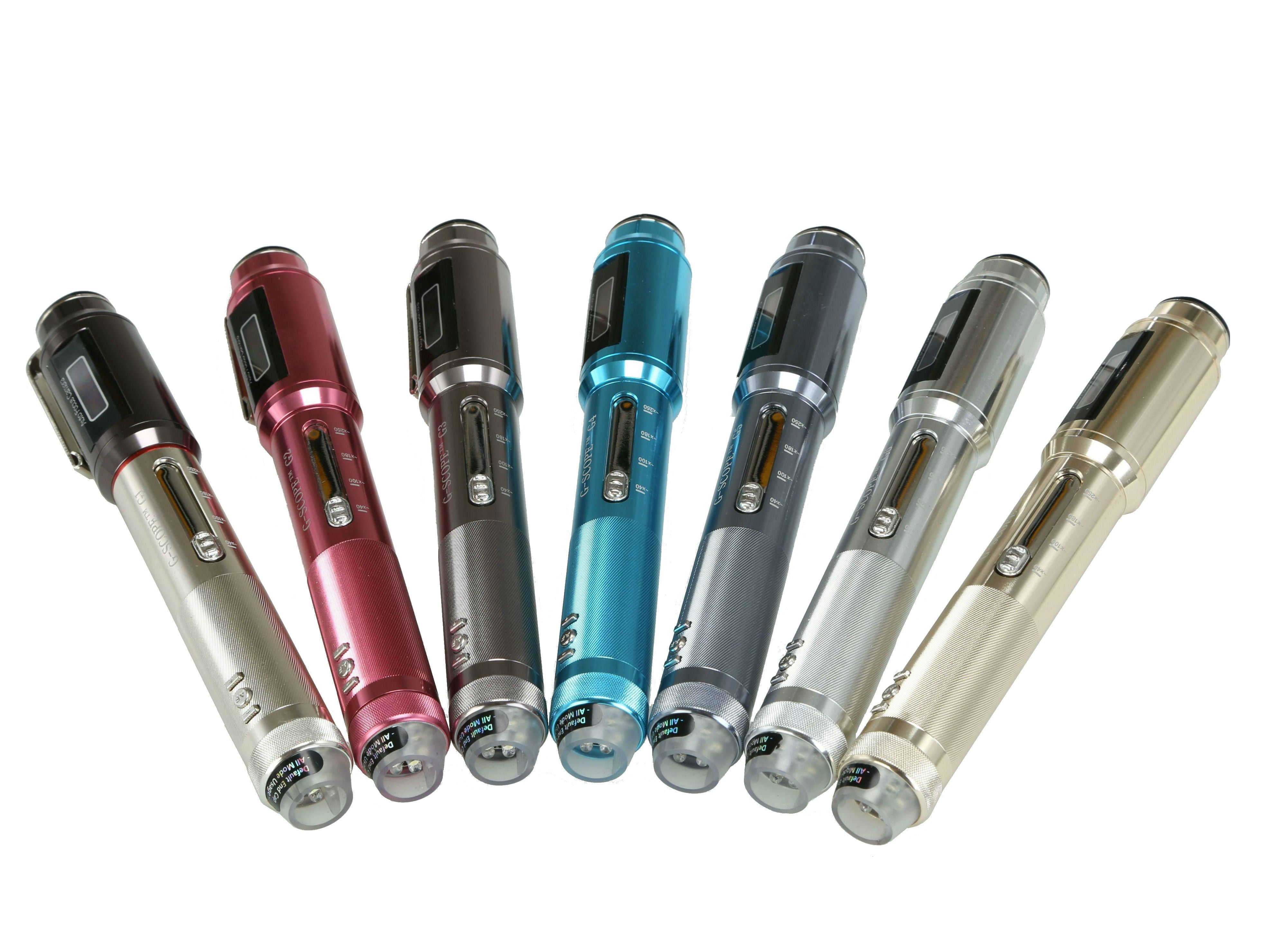
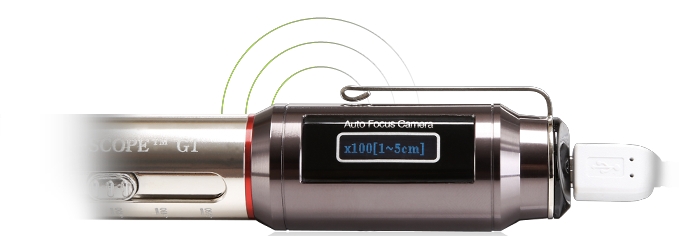
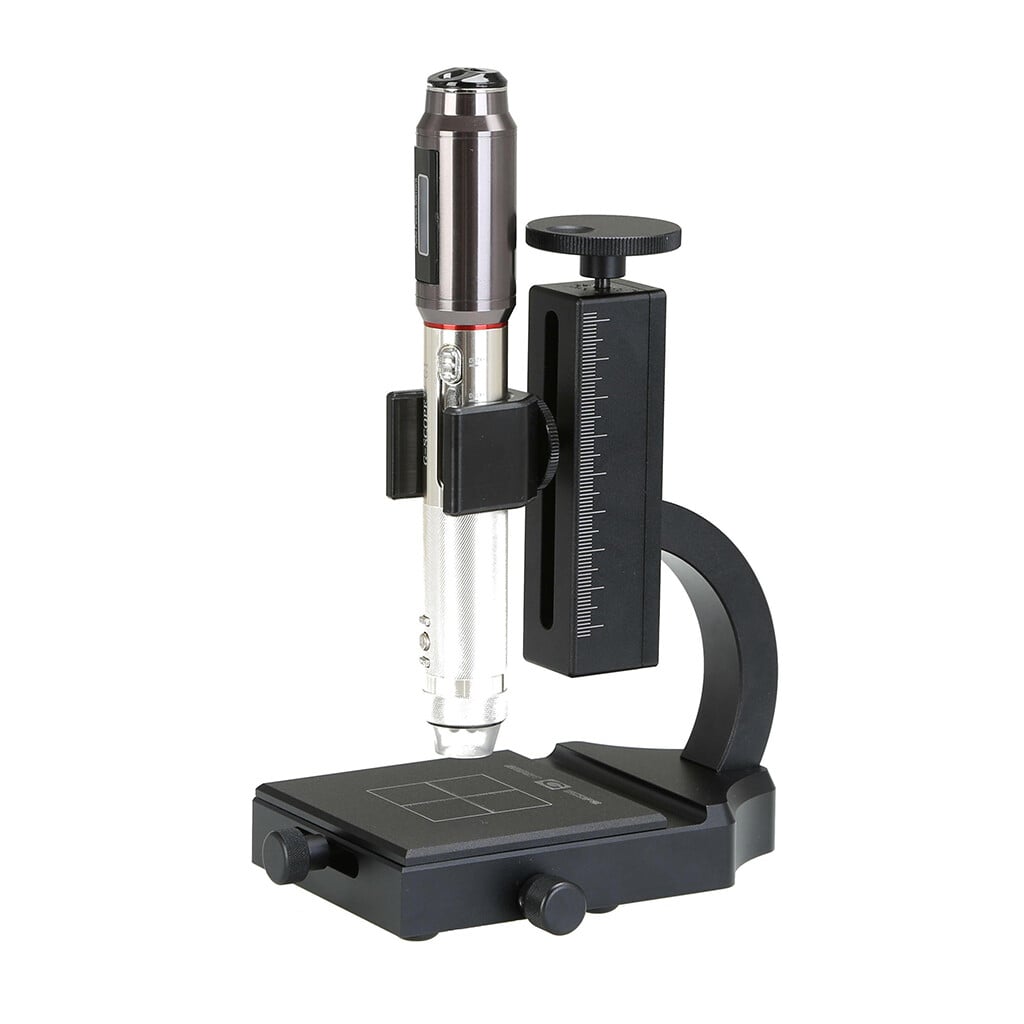
Click any image to enlarge
Practical examples
Secondary-school biology lab
A science teacher connects Smart G-Scope to an interactive whiteboard to show plant cells in real time. Students identify chloroplasts and cell walls, completing their notebooks with their own captures.
University materials project
Materials engineering students document the microstructure of polished metal alloys, comparing heat treatments and correlating visual findings with hardness test results.
Limitations & best practices
- High-resolution scientific microscopy requires lab-grade equipment.
- Supervise use with younger students to prevent damage.
- Teach good sample preparation practices.
Interested in this use case?
Buy Smart G-Scope
Get the right kit for this application. Secure checkout and fast shipping.
Need help choosing? Tell us your workflow and we’ll recommend the best setup.
Related use cases
Forensics
Analysis of physical evidence, toolmarks, fibers, and documents in investigations.
Geology
Mineral identification, rock analysis, and documentation of geological samples.
Microbiology
Observation of colonies, microbial structures, and preparations for teaching and basic research.
Archaeology
Non-destructive observation of surface details on archaeological pieces for documentation and analysis.
Entomology
Observation of insects and arthropods for identification, teaching, and scientific documentation.
Environment
Examine water, soil, and biological samples for education, fieldwork, and lab use.
Restoration
Analyze pigments, craquelure, and fibers to support conservation and restoration workflows.