Print & Graphic Arts Inspection
Evaluate halftones, color registration, and print defects in detail for quality control in printing and packaging.
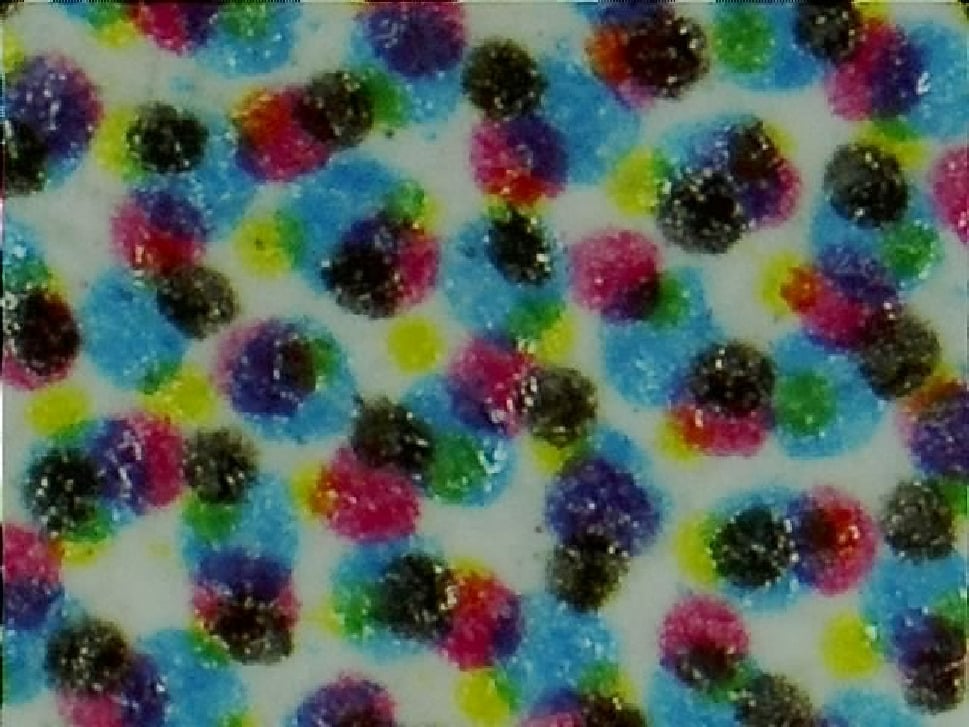
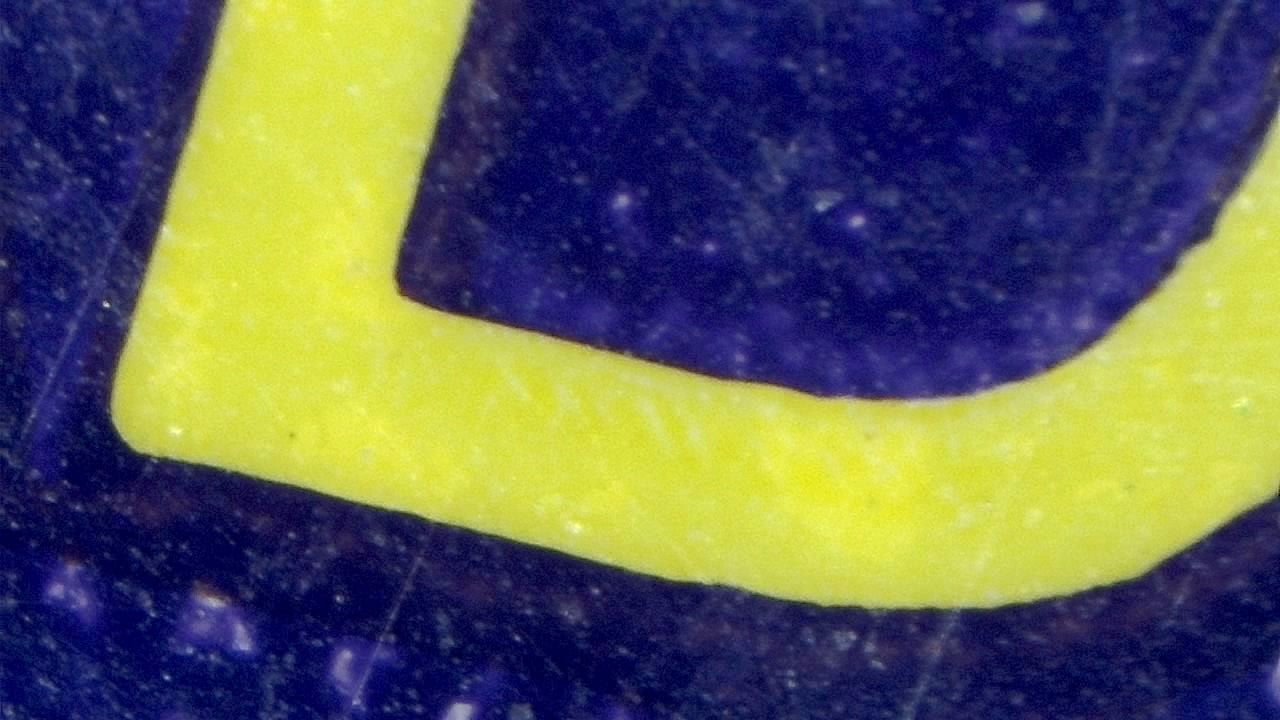
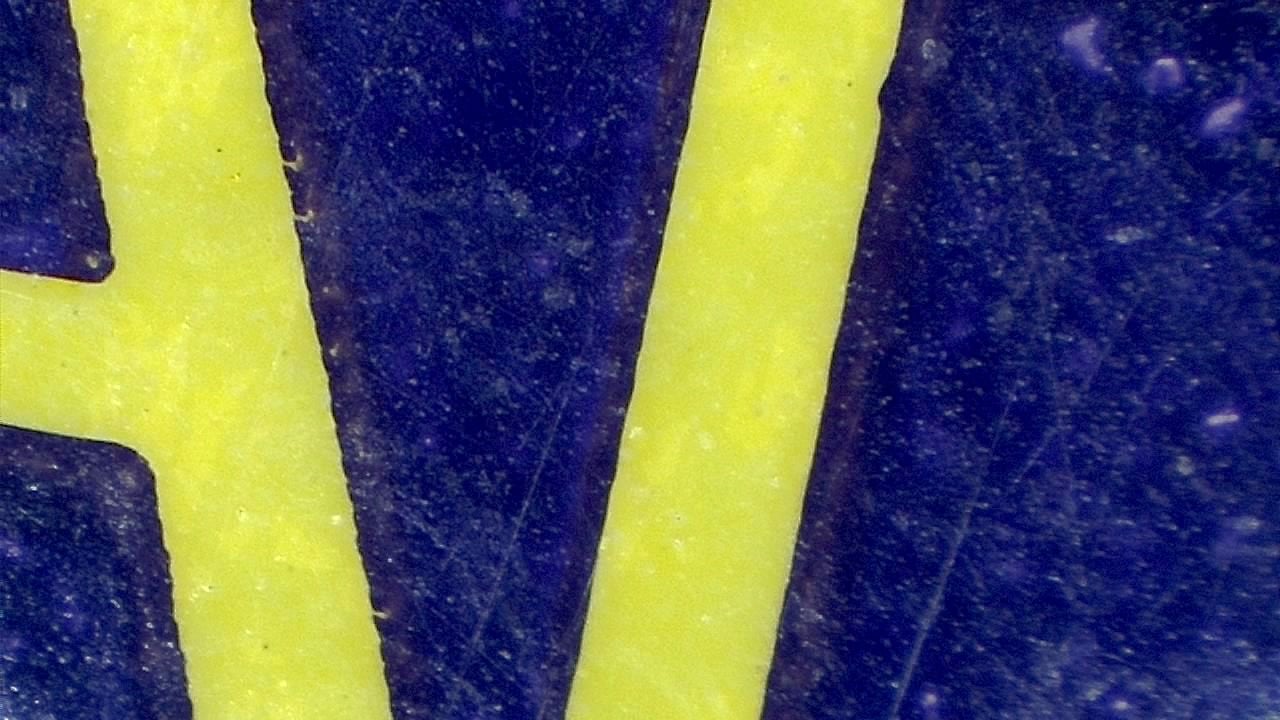
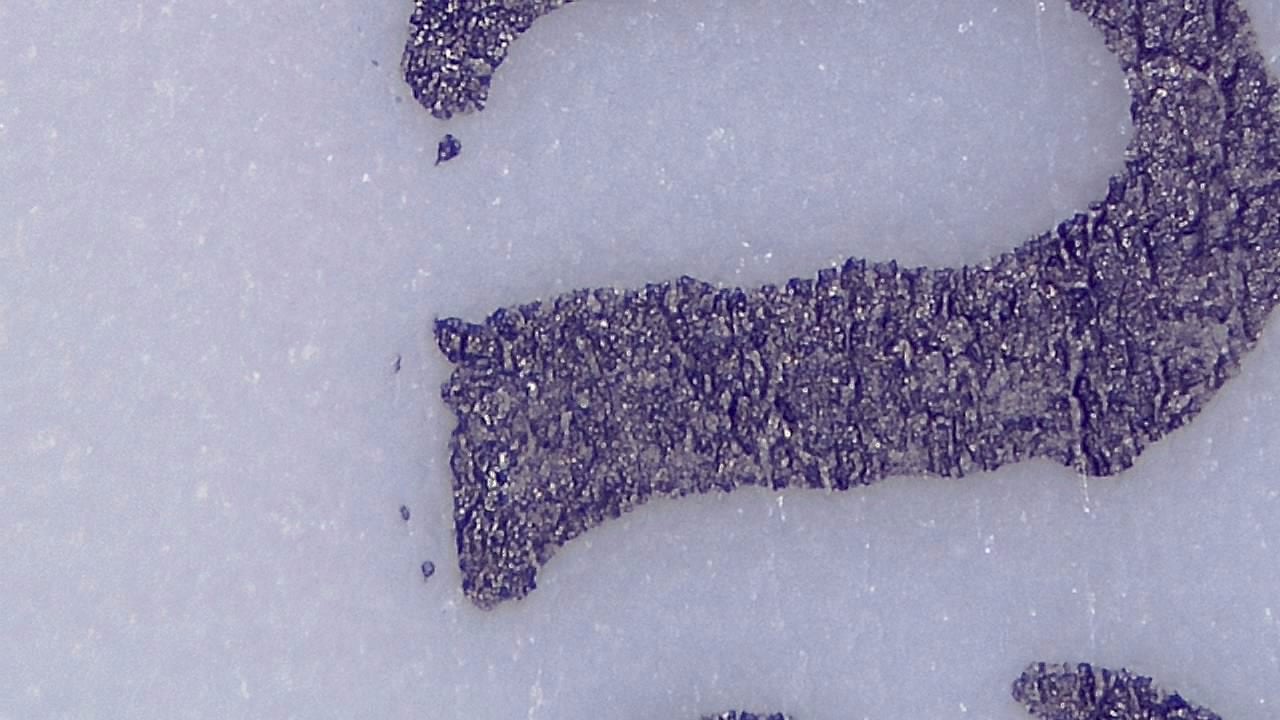
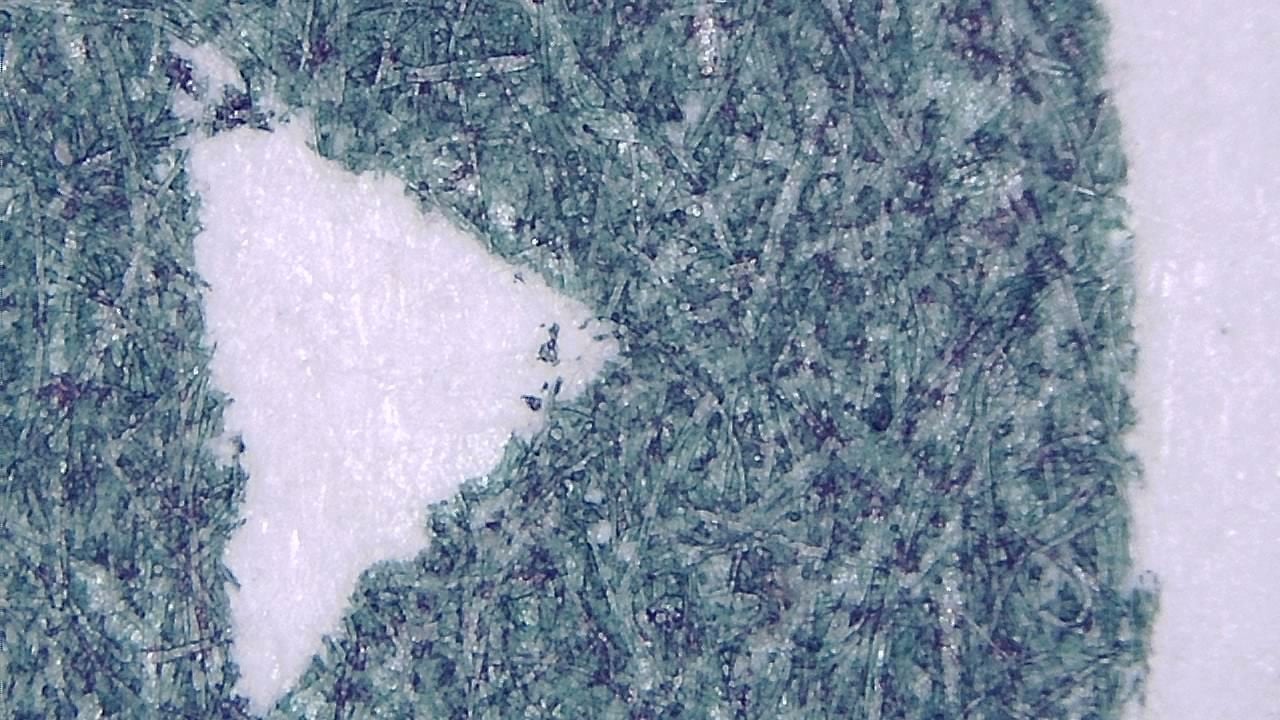
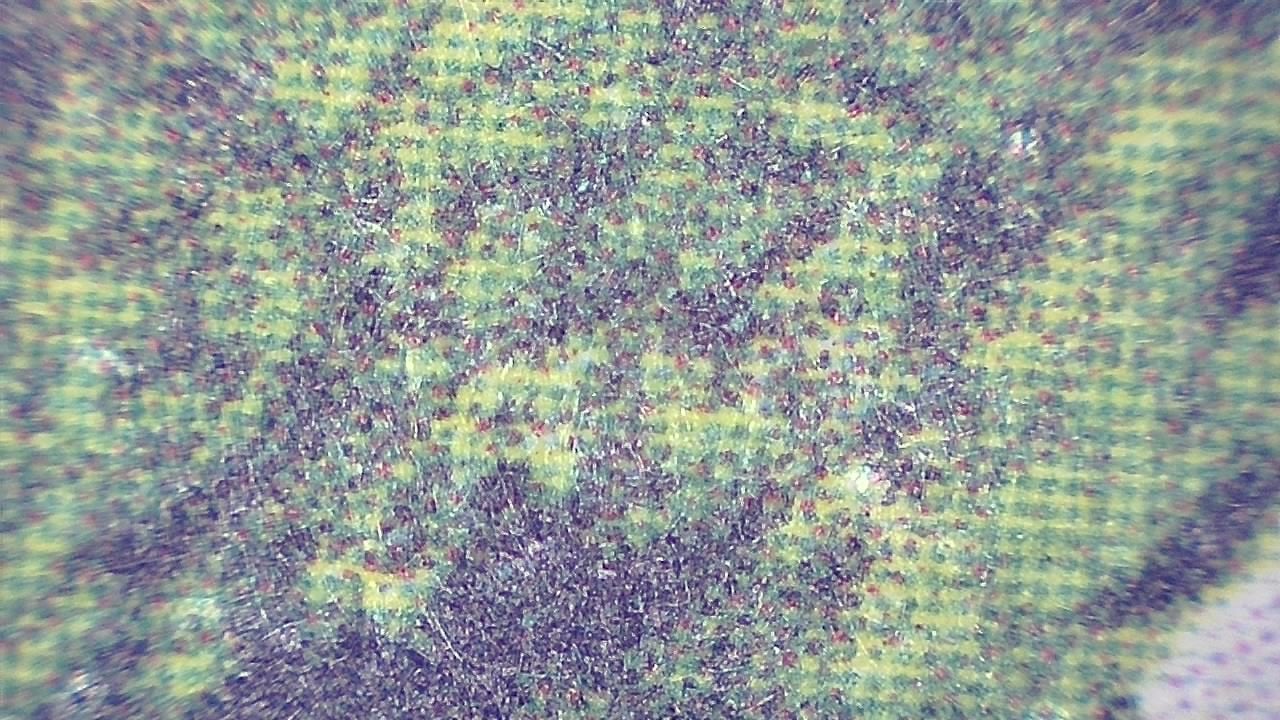
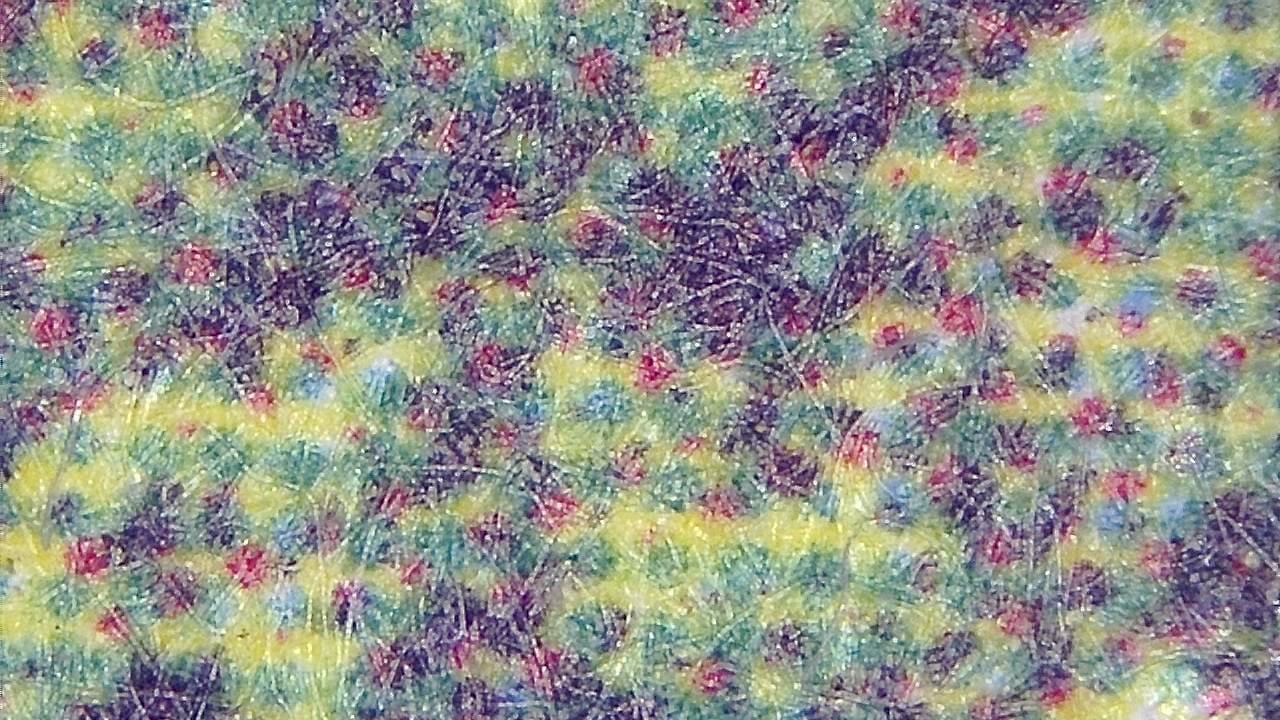
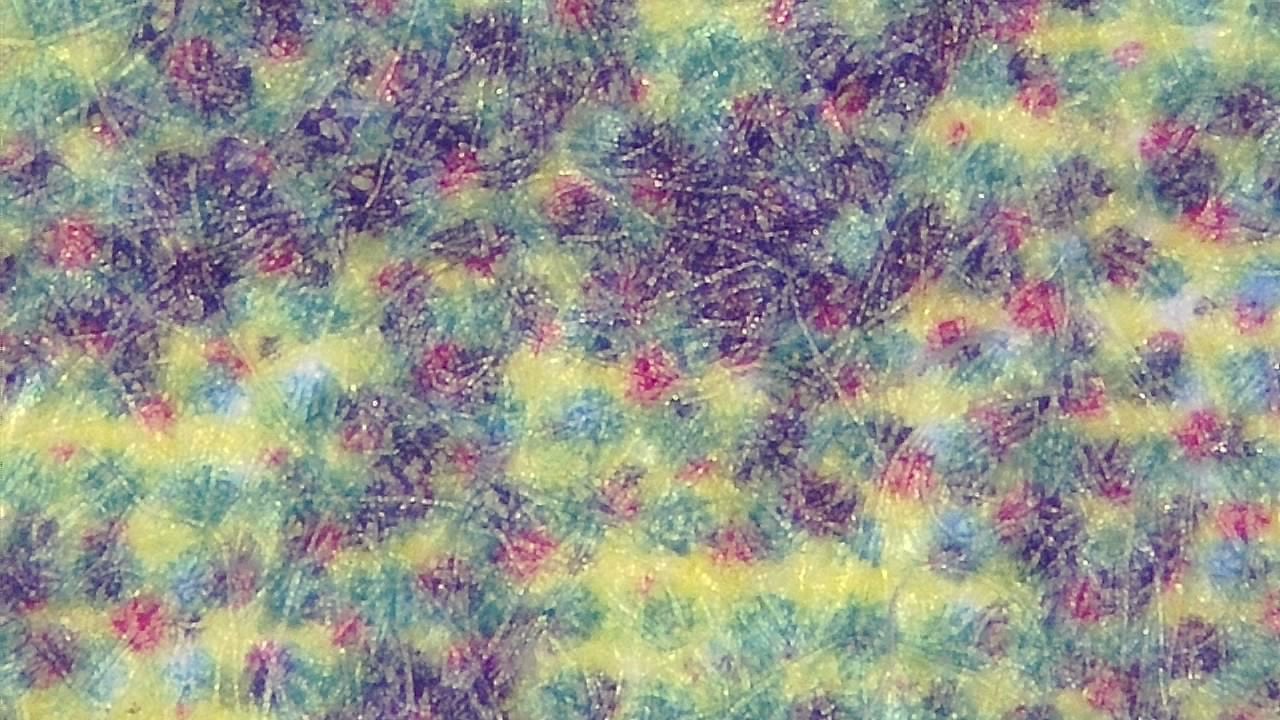
Smart G-Scope lets you examine halftones (rosettes), edges, CMYK registration, and defects such as banding or ink over/under-application.
It is useful for quality control in offset and digital printing, labels, and packaging, and also for validating print proofs.
Image capture makes it easier to communicate with suppliers and document production incidents.
Key benefits
- Sharp visual analysis of halftones and edges
- Identification of registration and alignment issues
- Fast defect documentation for traceability
- Lightweight tool for desk or line inspection
Image gallery





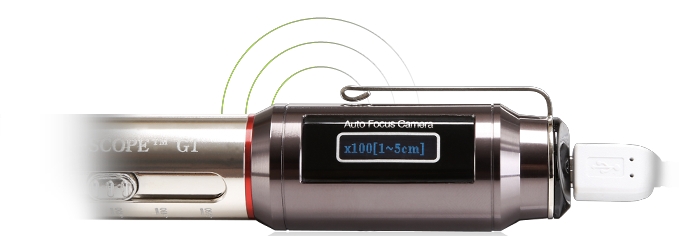
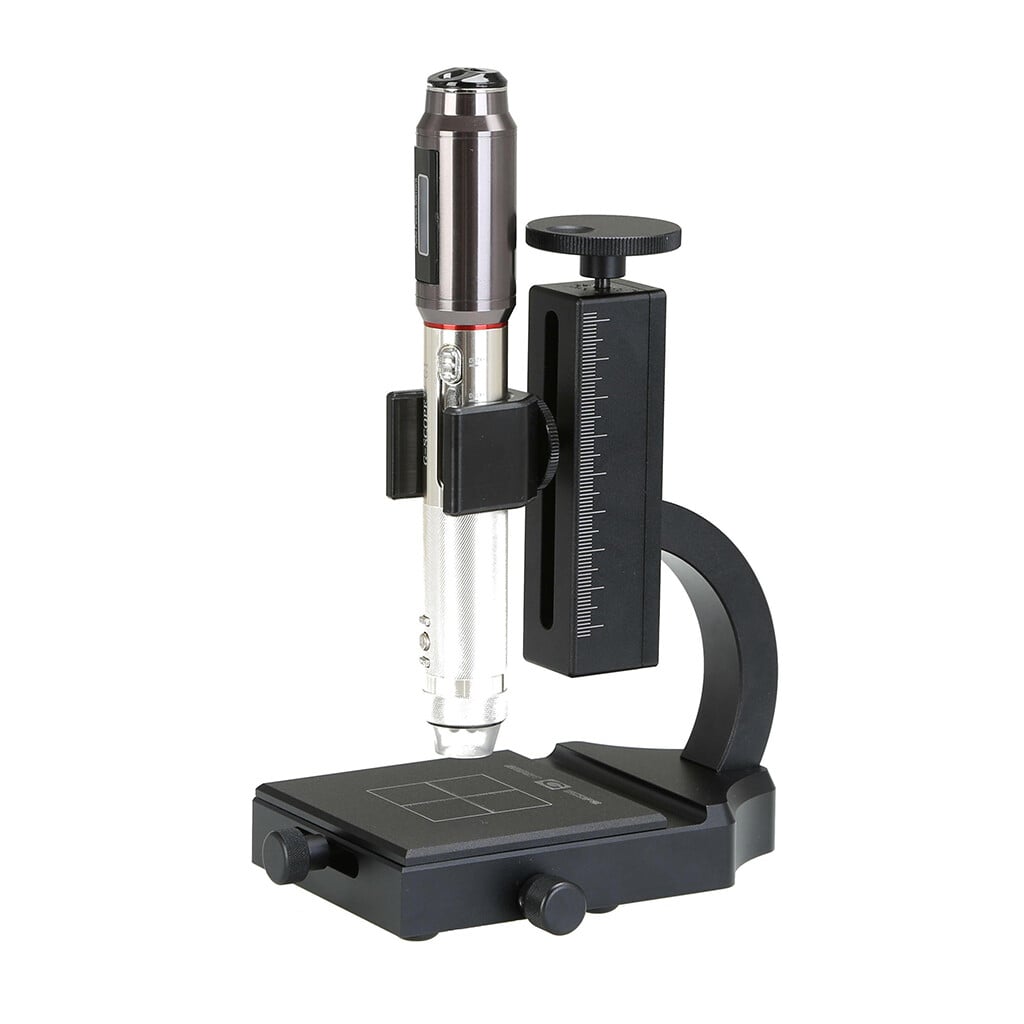
Click any image to enlarge
Practical examples
Color registration control
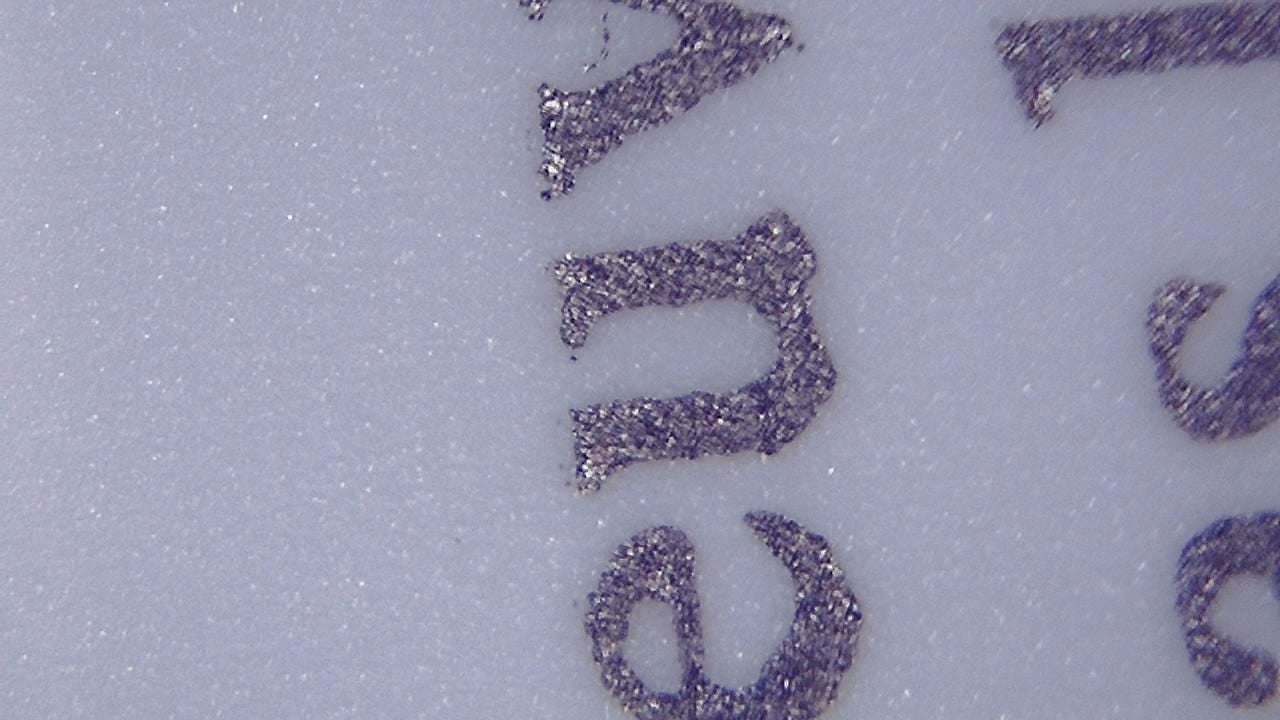
Detect shifts between CMYK layers and assess edges in small typography or fine lines.
Halftone and moiré inspection
Analyze halftone patterns to identify moiré issues or inconsistent density.
Packaging validation
Check print quality on textured materials (cardboard, laminates) and detect defects before packing.
Limitations & best practices
- For accurate colorimetric measurement, dedicated instruments are required (densitometer / spectrophotometer).
- Lighting and viewing angle affect glossy papers and reflective laminates.
Interested in this use case?
Buy Smart G-Scope
Get the right kit for this application. Secure checkout and fast shipping.
Need help choosing? Tell us your workflow and we’ll recommend the best setup.
Related use cases
Electronics/PCB
Inspection of solder joints, components, and defects on printed circuit boards.
3D Printing
Surface quality control, layer defect detection, and material assessment for 3D-printed parts.
Jewelry/Watchmaking
Inspection of gemstones, settings, watch mechanisms, fine metalwork, and collectible coins for authentication and condition assessment.
Quality Control
Fast, accurate inspection of surfaces, parts, and assemblies to catch defects before they reach the customer.
Food
Supports visual quality control of foods and raw materials through fast inspection and documentation.
Cosmetics
Visual inspection of textures, particles, and impurities for quality control and product development.
Textiles
Detect defects in fibers, weaves, and finishes for textile quality control.